

 Blogs
Blogs
April 27, 2026 • 4 min read
The UK Ambassador to South Sudan and representatives from the UK’s Foreign, Commonwealth and Development Office (FCDO) undertook a two day field visit to Renk County in Upper Nile State. The visit provided an opportunity to gain first hand insight into the evolving humanitarian situation along the Sudan–South Sudan border and to observe THRIVE programmes supported through UK Aid funding that respond to both immediate needs and longer term recovery.
Humanitarian Crises in Upper Nile State
Following the outbreak of conflict in Sudan in 2023, Upper Nile State in South Sudan has been thrust into a deepening humanitarian crisis. Ongoing violence across the border has forced large numbers of people to flee into South Sudan, making Upper Nile the epicentre of Sudan’s displacement emergency.
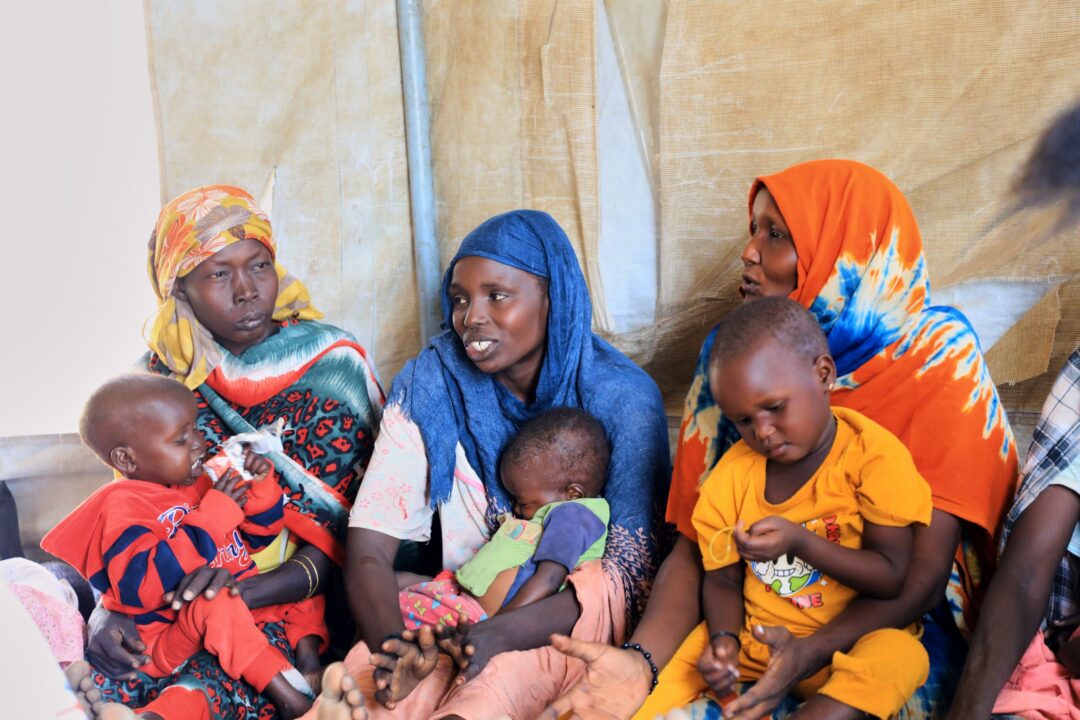
Every day, thousands of refugees and returnees cross the Sudan–South Sudan border into Renk County, with arrivals continuing as violence in Sudan shows little sign of cessation. Many people arrive exhausted, traumatised, and in urgent need of food, healthcare, shelter and protection.
The impact on local communities and already strained systems has been profound. Large‑scale displacement has exacerbated food insecurity, stretched public health services, and placed immense pressure on host communities. As humanitarian needs continue to grow, GOAL is working closely with local authorities, communities and partners to deliver lifesaving assistance while supporting long-term resilience.
The THRIVE Project
As part of its work in South Sudan, GOAL leads the THRIVE consortium in partnership with Mercy Corps, CAFOD, VSF‑Suisse and four downstream partners; ACRA, SPOCI, AFAA and Caritas Diocese of Malakal. Funded by UK Aid, the THRIVE project aims to strengthen household resilience through inclusive, sustainable development. Built around four core pillars, livelihoods improvement, climate and conflict resilience, social cohesion, and women’s and youth empowerment, the programme integrates global best practice with local context to address the needs of climate shocks, conflict affected and vulnerable communities in Greater Upper Nile.
Ambassador’s Visit
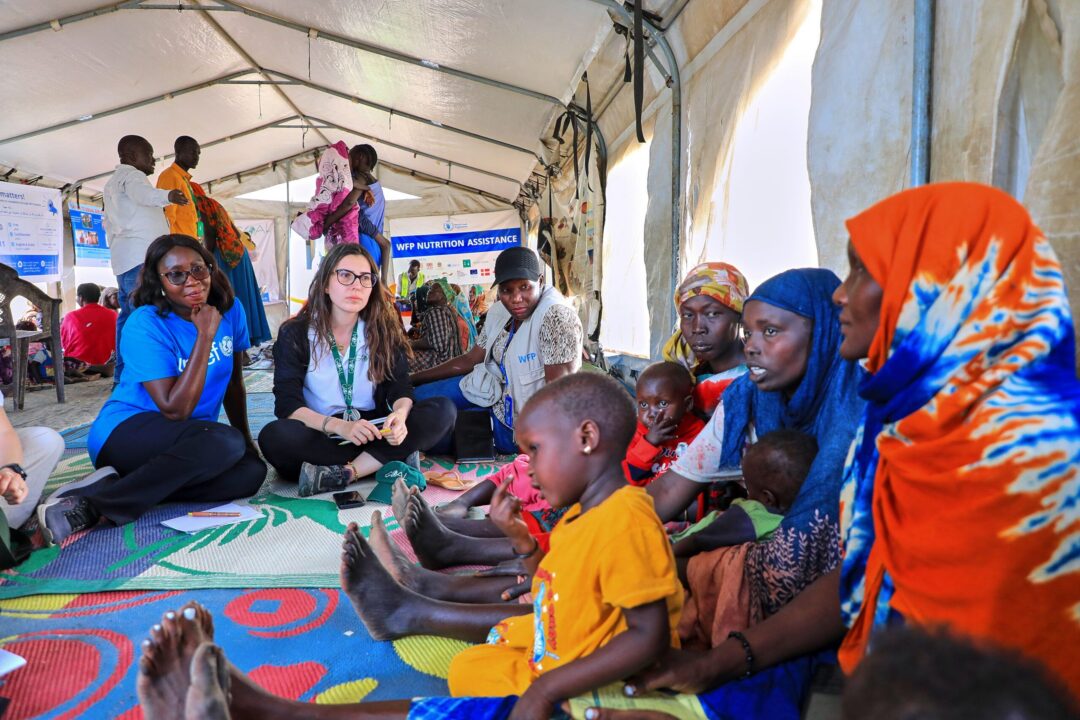
In the context of this growing humanitarian need, the UK Ambassador to South Sudan and representatives from the UK’s Foreign, Commonwealth & Development Office (FCDO) visited key GOAL programme sites in South Sudan at the beginning of 2026, including the THRIVE initiative, to gain firsthand insight into the humanitarian situation along the Sudan–South Sudan border. The delegation was accompanied by senior GOAL and VSF‑Suisse leadership, the THRIVE Project Director, and technical leads from consortium partners. Meetings were also held with state and county authorities, including the Renk County Commissioner and line ministry directors, to discuss coordination efforts, pressures on local services, and priorities for supporting displaced populations and host communities.
Joda Border Entry Point
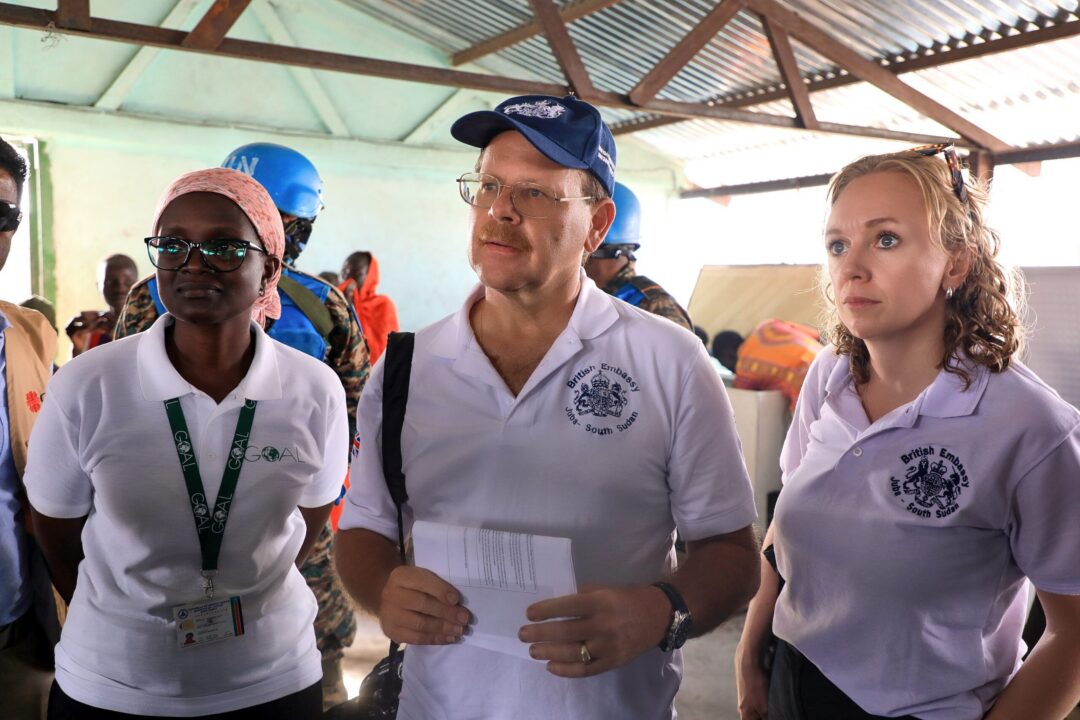
The visit began at the Joda Border entry point, one of the primary entry points for refugees and returnees fleeing the Sudan crisis. Here, the group observed reception and screening processes and engaged with frontline responders under the THRIVE project, supporting new arrivals. These interactions highlighted the complexity and urgency of the response required at the border, where needs are immediate and constant.
Supporting New Arrivals in Renk
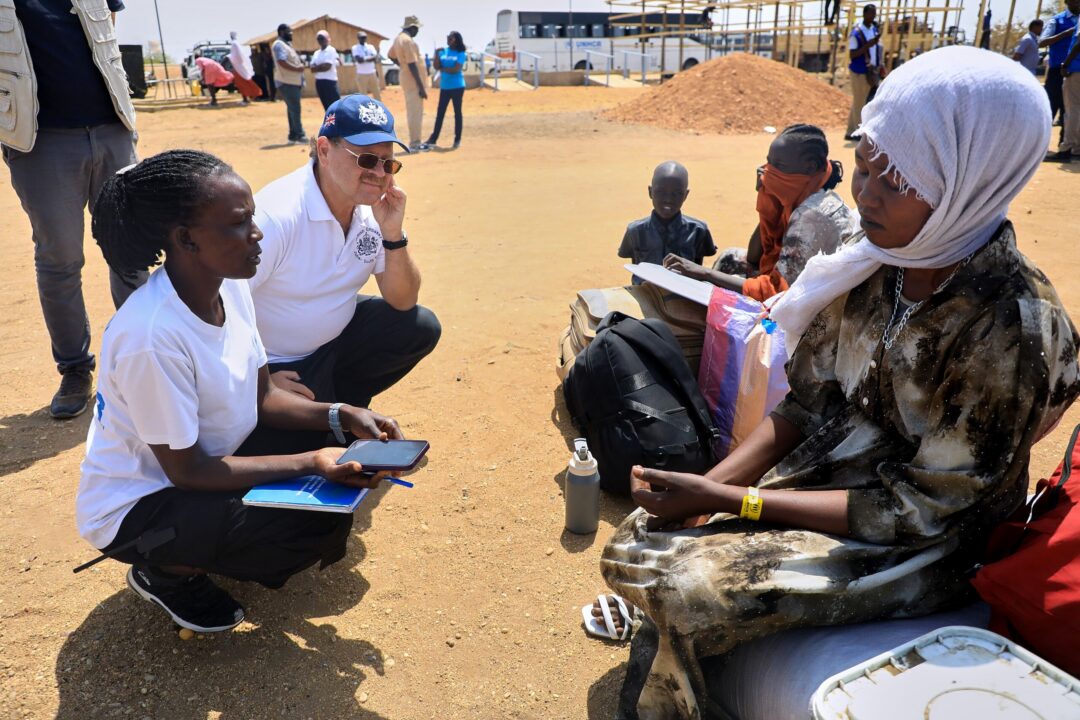
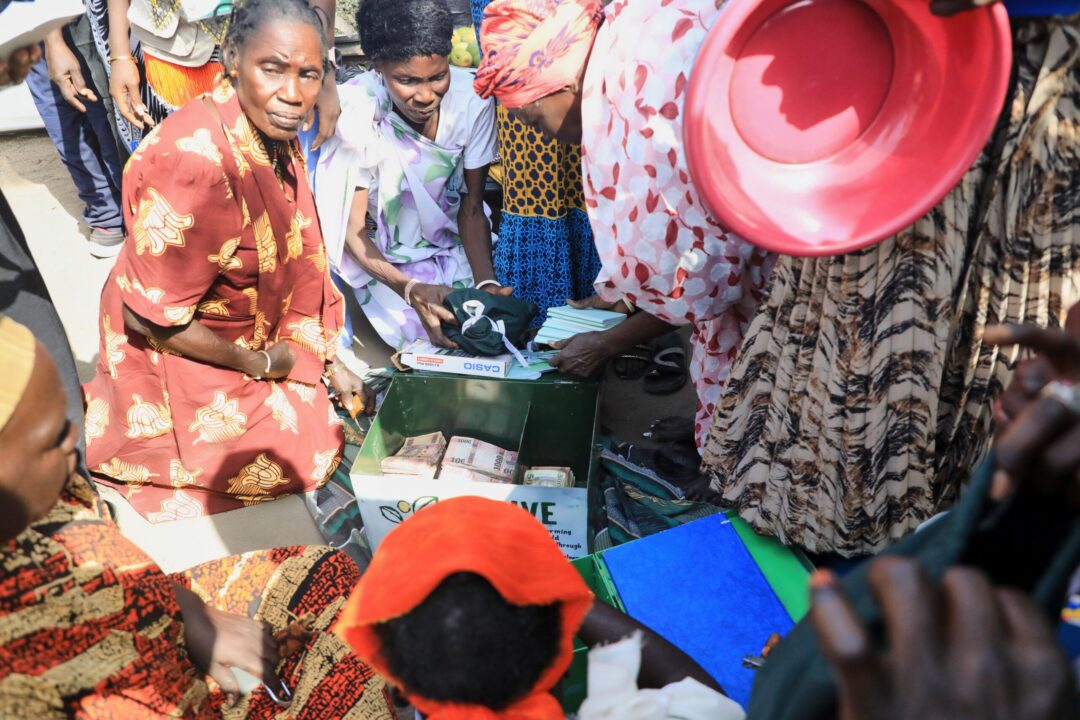
Throughout the visit, the delegation toured several facilities supporting refugees, returnees and host communities in Renk. At the Renk Transit Centre, the team observed services provided to new arrivals, including cash assistance distributed through the World Food Programme, alongside humanitarian support delivered by partners on the ground.
Life-Saving Health and Nutrition Services
The delegation also visited the Stabilisation Centre at Renk Civil Hospital, where GOAL programming provides lifesaving treatment for children suffering from severe acute malnutrition with medical complications. This visit underscored the critical importance of nutrition and health services in preventing child mortality during emergencies.
The itinerary also included stops to the newly constructed Expanded Programme on Immunization building, which is strengthening access to routine immunisation services in the area. In addition, the delegation visited Abdukadara resettlement land, allocated by local authorities to support the longer-term settlement and integration of refugees and returnees within host communities, an important step towards stability and recovery for those displaced by conflict.
Looking Beyond Emergency Response
Alongside site visits, the group met with a wide range of humanitarian partners operating in Renk, including UN OCHA, UNICEF, WHO, WFP, UNHCR, and both international and national NGOs. These conversations offered a holistic picture of how agencies are working together to respond to the Sudan crisis and manage the scale and complexity of needs along the border.
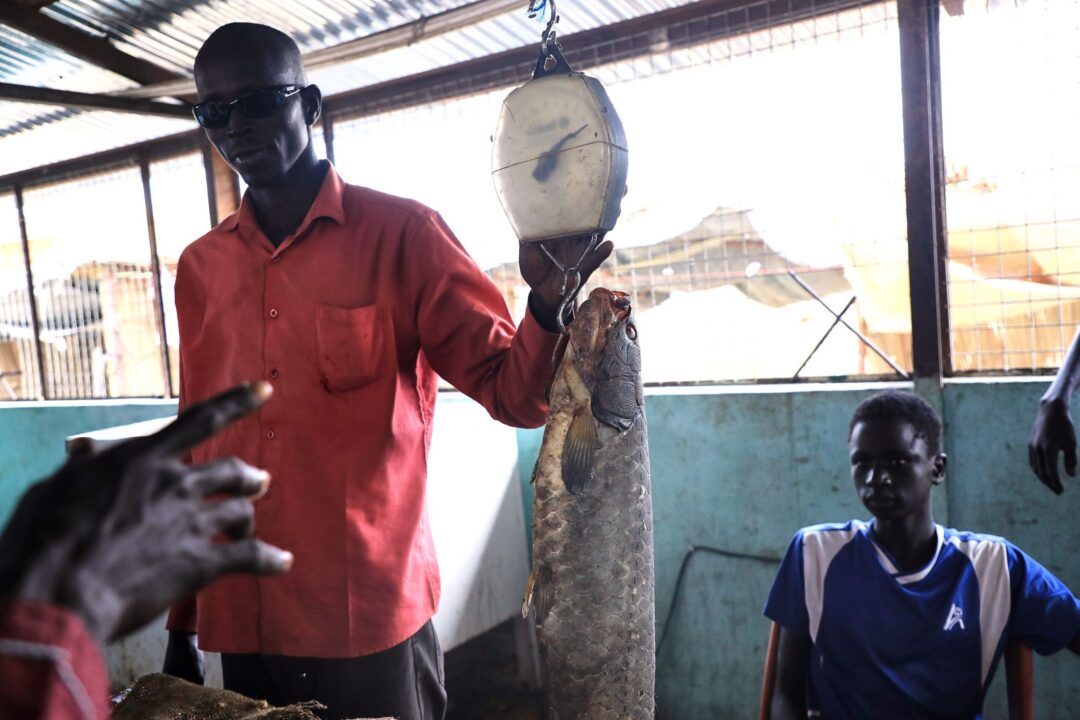
A key part of the visit focused on community led initiatives supported through the UK‑funded THRIVE programme, implemented by a consortium including GOAL, Mercy Corps, CAFOD, VSF‑Suisse and national partners. Through discussions with Village Savings and Loan Associations, fisheries groups and community peace structures, the delegation saw first‑hand how integrated programming is supporting families to rebuild livelihoods, strengthen resilience and foster social cohesion in displacement affected areas.
Strengthening Partnerships for Long-Term Resilience
Throughout these engagements, the Ambassador and FCDO representatives emphasised the importance of strong collaboration, between government authorities, humanitarian organisations, development partners and communities themselves. Such partnerships are essential not only for meeting urgent humanitarian needs, but also for supporting long-term recovery and resilience in Upper Nile State.
