

 Stories
November 20, 2026 • 4 min read
As world leaders gather at COP31 to discuss climate finance and adaptation, communities in Honduras are demonstrating how investment in preparedness and early warning systems can protect lives, livelihoods and local economies before disasters strike.
Across the country, communities are already experiencing the impacts of climate change. Recent news coverage has highlighted how rising sea levels, coastal erosion, stronger storms and flooding are affecting vulnerable communities across the country. For many people, these risks are no longer a future concern. They are a present reality.
But communities are not powerless. Experience from GOAL Honduras shows that when climate finance supports strong local systems, trusted institutions and community-led preparedness, risks can be anticipated and people have more time to act.
With support from Irish Aid’s Civil Society Partnership Programme (ICSP), GOAL is working with communities and local authorities across Honduras to strengthen early warning for floods, landslides, storms and other climate-related hazards through its local systems approach.
The focus is not solely on technology and equipment, but equally on strengthening the local leadership, institutions and community preparedness needed to sustain early warning systems over time.
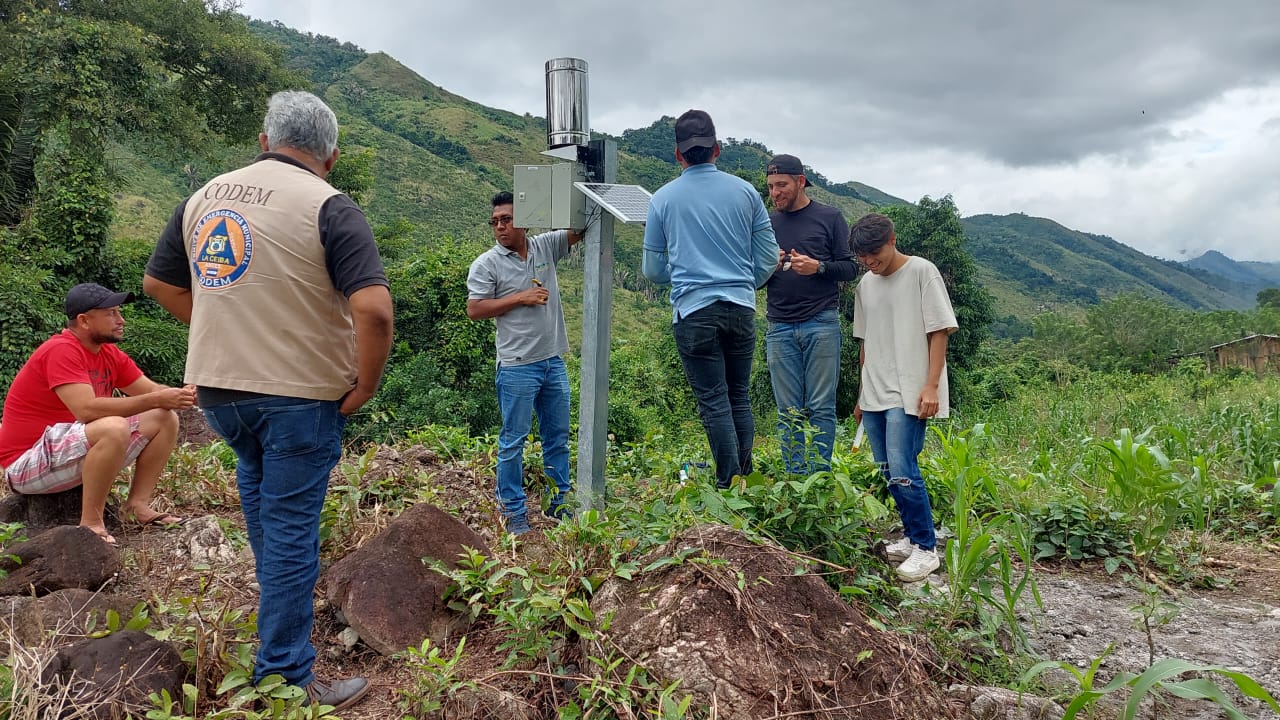
Members of a Municipal Emergency Committee (CODEM) and local volunteers observe an automatic rain gauge installed as part of the early warning system. Effective early warning depends on strong vertical and horizontal networks that connect local authorities, communities and technical institutions, ensuring that risk information is translated into timely action.
What climate investment looks like in practice
Since 2023, support from Irish Aid’s Civil Society Partnership Programme (ICSP) has helped GOAL strengthen preparedness and climate resilience in some of Honduras’ most important population and economic centres.
Strengthening disaster preparedness in Tegucigalpa, the capital of Honduras
GOAL has worked alongside communities and authorities in Honduras’s capital, Tegucigalpa, for over two decades, strengthening urban planning, disaster preparedness and early warning systems.
In 2010, GOAL introduced the city’s first early warning system, known as SIMET-DC. Over the years, the system has evolved into a fully automated, multi-hazard network that now reaches approximately 1.2 million people or around 90 per cent of the city’s population.
The system can provide alerts up to 24 hours in advance, giving communities and authorities valuable time to prepare and act, thus reducing the impacts of hazards.
It also generates estimated savings of up to USD 300,000 annually through avoided losses to education, housing and livelihoods.
Recognising the value of this approach, Irish Aid has since helped upgrade the network, enhance monitoring capacity and strengthen local preparedness for increasingly complex climate-related risks.
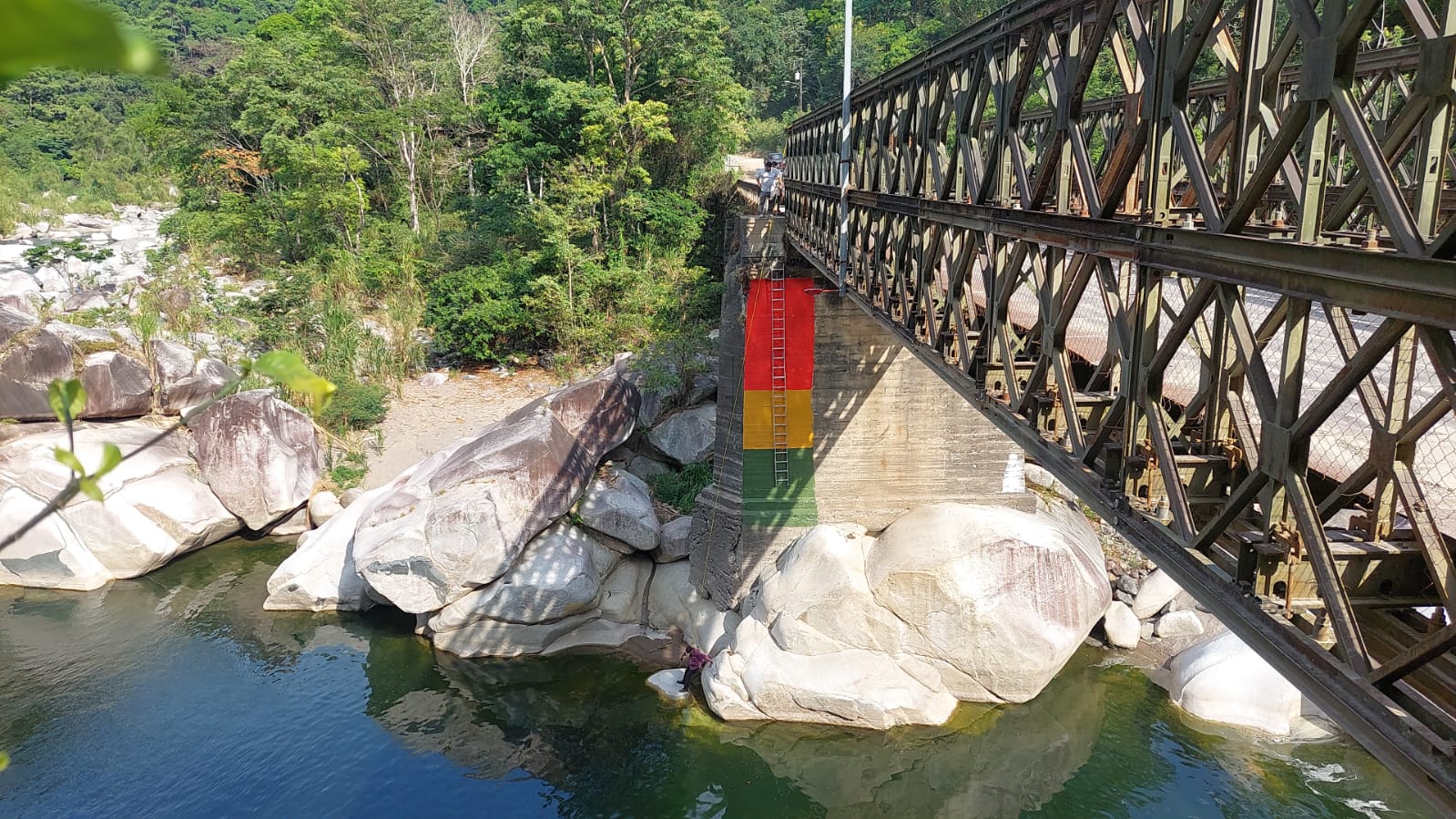
Public Signs in La Ceiba showing when water levels are at risk levels.
Helping coastal communities act before disaster strikes
GOAL has also adapted its early warning approach for La Ceiba, Honduras’ third-largest city and an important economic hub on the Caribbean coast.
Home to approximately 230,000 people, La Ceiba faces significant risks from flooding and tropical storms.
Through ICSP, investment has strengthened early warning systems, community preparedness and the capacity of local authorities to act before hazards escalate. The locally managed early warning system now reaches 100% of the city’s population.
Local emergency volunteers play a central role within this approach, working alongside authorities and emergency services to monitor conditions, share warnings and support preparedness and evacuation.
When Tropical Storm Sara struck Honduras in 2024, communities and authorities were able to use agreed rainfall thresholds and preparedness protocols to act early. More than 1,300 people were evacuated, helping reduce the risk to life.
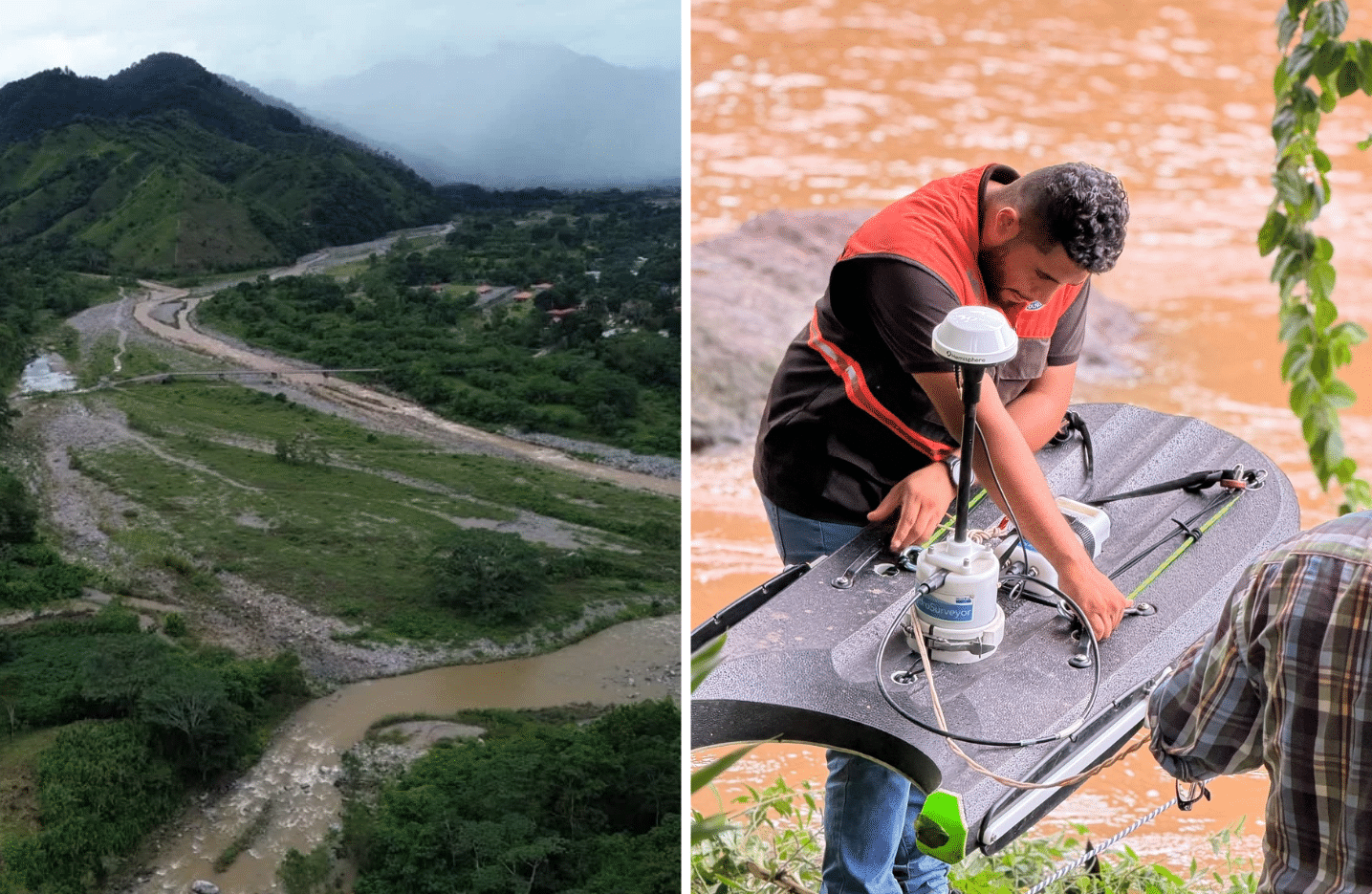
Left: Aerial view of the Cangrejal River basin in La Ceiba, Honduras. Right: Stream gauging, a process used to measure river flow as part of an early warning system.
From information to action
Across Honduras, GOAL’s early warning system network reached 2.4 million people in 2025. By 2026/27, this is expected to exceed 3 million people, with the network expanded to La Ceiba and the Dry Corridor, reaching more than a quarter of the country’s population.
But success is not simply about how many people are covered.
For families, timely information can mean knowing when to move to safer ground, protect belongings or change plans before an extreme weather event strikes. For local authorities, it can strengthen emergency preparedness, evacuation planning and longer-term investment decisions.
This approach has already been tested in practice. During landslides in La Guillén in 2022 and El Reparto in 2024 in Tegucigalpa, and during Tropical Storm Sara in La Ceiba in 2024, communities and authorities acted on early warning information and reduced risk.
That is the value of early warning: information gives people choices, and the time to act on them.
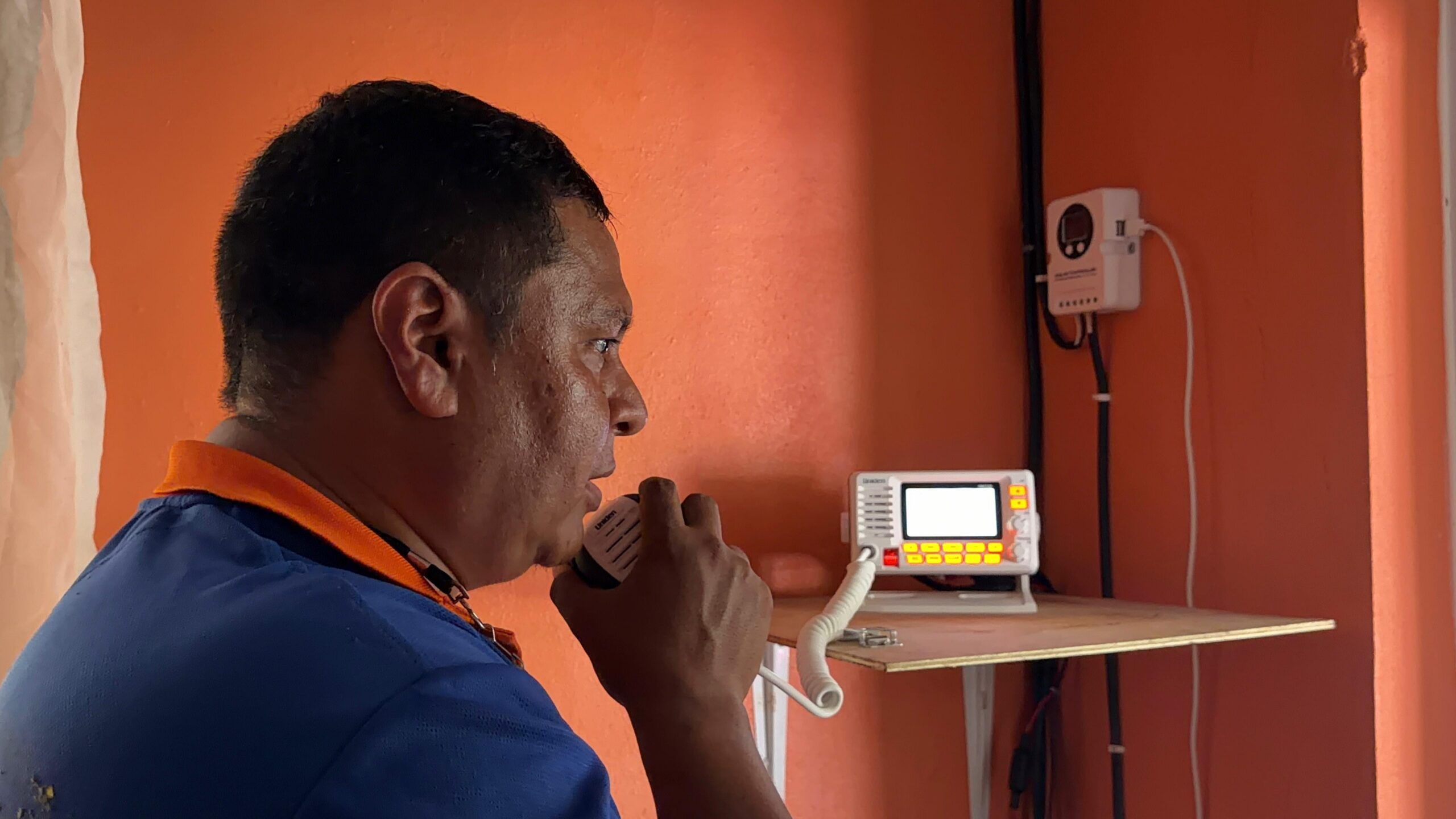
Installation of a community emergency radio communication system.
Investing in systems that last
Effective climate finance means more than purchasing equipment or installing monitoring technology.
Early warning systems are more likely to deliver lasting impact when reliable climate information is combined with capable local institutions, engaged communities and sustainable local ownership.
Honduras shows what is possible when those elements come together.
The question for governments and climate financiers is not simply whether to invest in early warning, but how to invest well and therefore strengthen the whole system, from climate information and technology to the people and institutions that turn a warning into action.
For more information, read the Honduras ICSP Systems Insights publication.
