

 Stories
July 15, 2026 • 3 min read
Better coordination means better support for families in Syria
Across Syria, humanitarian organisations work every day to provide food, shelter, healthcare, clean water and other essential support to millions of people affected by years of conflict. With many organisations responding in the same areas, effective coordination is essential to ensure assistance reaches as many families as possible. While this means more people can receive support, it can also create challenges. Without effective coordination, humanitarian organisations can find it more difficult to identify gaps in assistance and ensure limited resources are directed to where they are needed most.
To help address this, GOAL Syria is working with partners through EU-funded programmes to improve how humanitarian organisations coordinate their work.
To strengthen this coordination, GOAL Syria and its partners are using the Interoperability Operational Architecture (IOA), a secure digital system that helps humanitarian organisations better understand where assistance is being delivered, identify unmet needs and support more coordinated responses.
The system also provides a clearer picture of the services available in different communities, helping organisations plan their work more effectively and ensuring that limited humanitarian resources reach as many people as possible.
Protecting people’s privacy
Protecting the privacy of the people GOAL serves is central to this work. No personal information is shared between organisations. Instead, each organisation securely checks its own data before comparing anonymised information. This allows partners to identify where the same households may already be receiving assistance without revealing anyone’s personal details.
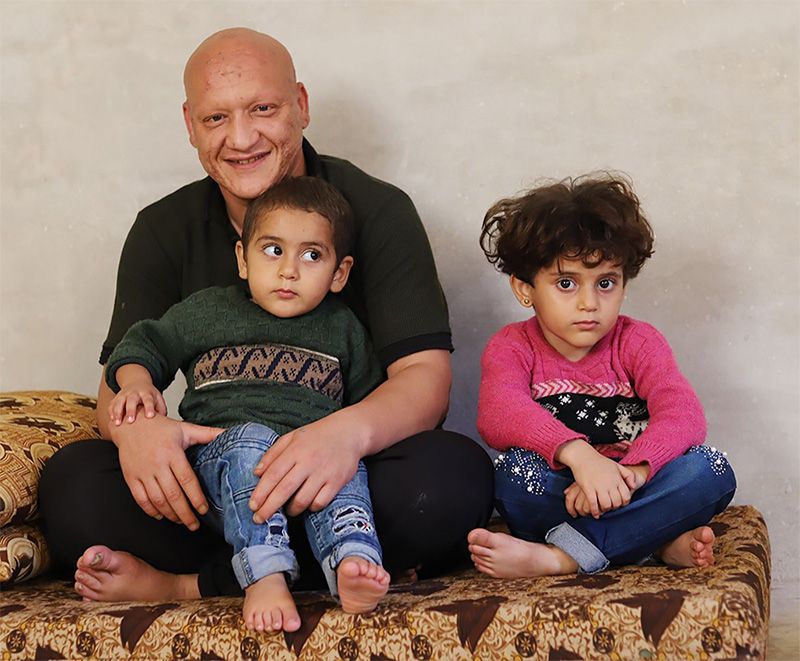
GOAL teams are working on the ground supporting families like Kareem’s in Syria
Working together for greater impact
Since its introduction, the system has helped humanitarian organisations improve information sharing, strengthen operational planning and coordinate assistance more effectively across Syria, enabling humanitarian resources to be used where they can have the greatest impact.
For GOAL, innovation is not simply about technology. It is about helping humanitarian organisations work together more effectively so that limited resources reach more people, more efficiently and with greater accountability. By strengthening coordination across the humanitarian response, systems such as the IOA help ensure assistance is delivered where it is needed most.
GOAL is also working with humanitarian coordination groups and the World Food Programme’s Building Blocks initiative to further strengthen collaboration, helping organisations work together more effectively while avoiding unnecessary duplication of assistance.
About EU Civil Protection and Humanitarian Aid
The European Union and its Member States are the world’s leading donor of humanitarian aid. Relief assistance is an expression of European solidarity with people in need all around the world. It aims to save lives, prevent and alleviate human suffering, and safeguard the integrity and human dignity of populations affected by natural disasters and man-made crises.
Through its Civil Protection and Humanitarian Aid Operations department, the European Union helps millions of victims of conflict and disasters every year. With headquarters in Brussels and a global network of field offices, the European Union provides assistance to the most vulnerable people on the basis of humanitarian needs.