

 Stories
September 17, 2026 • 2 min read
At six months old, Nyapal Gatwak developed severe acute malnutrition after her mother was no longer able to breastfeed. Identified by community health workers, she was referred to GOAL’s health services center and received intensive treatment. With continued care supported by funding from the European Union, Nyapal is now gaining weight and showing clear signs of recovery.
Children living in displacement camps face increased risks of poor nutrition and illness. This risk grows when families have limited access to food, healthcare services, and consistent follow-up care.
Through European Union funding, GOAL supports health and nutrition services for displaced communities in the Gambella, Luak Dong camp health facility. This includes identifying, referring, and treating children with severe acute malnutrition.
When Nyapal became ill
Nyapal was six months old when her mother’s breast milk supply dropped. Her mother, Nyter Biel, had faced the same difficulty after each of her previous four deliveries.
“With all four of my previous deliveries, my breast milk consistently dried up after six months,” Nyter said. “It always put my children in distress, and when it happened again with Nyapal, my heart was broken.”
Nyapal developed severe acute malnutrition and persistent diarrhoea. Community health outreach workers identified her condition and referred her to GOAL’s health services center. After a thorough assessment, the medical team transferred her to Nguenyyiel Stabilisation Centre for specialised treatment.
Treatment and follow-up
At the stabilisation centre, Nyapal received intensive medical and nutritional care. Once her condition improved, staff discharged her to continue treatment through an outpatient programme. There, she received ready-to-use therapeutic food, a nutrient-rich food used to treat severe acute malnutrition, at home.
However, her recovery hit a setback. Her family struggled to maintain the recommended feeding and follow-up routine, so Nyapal missed appointments and began showing signs that she needed further support.
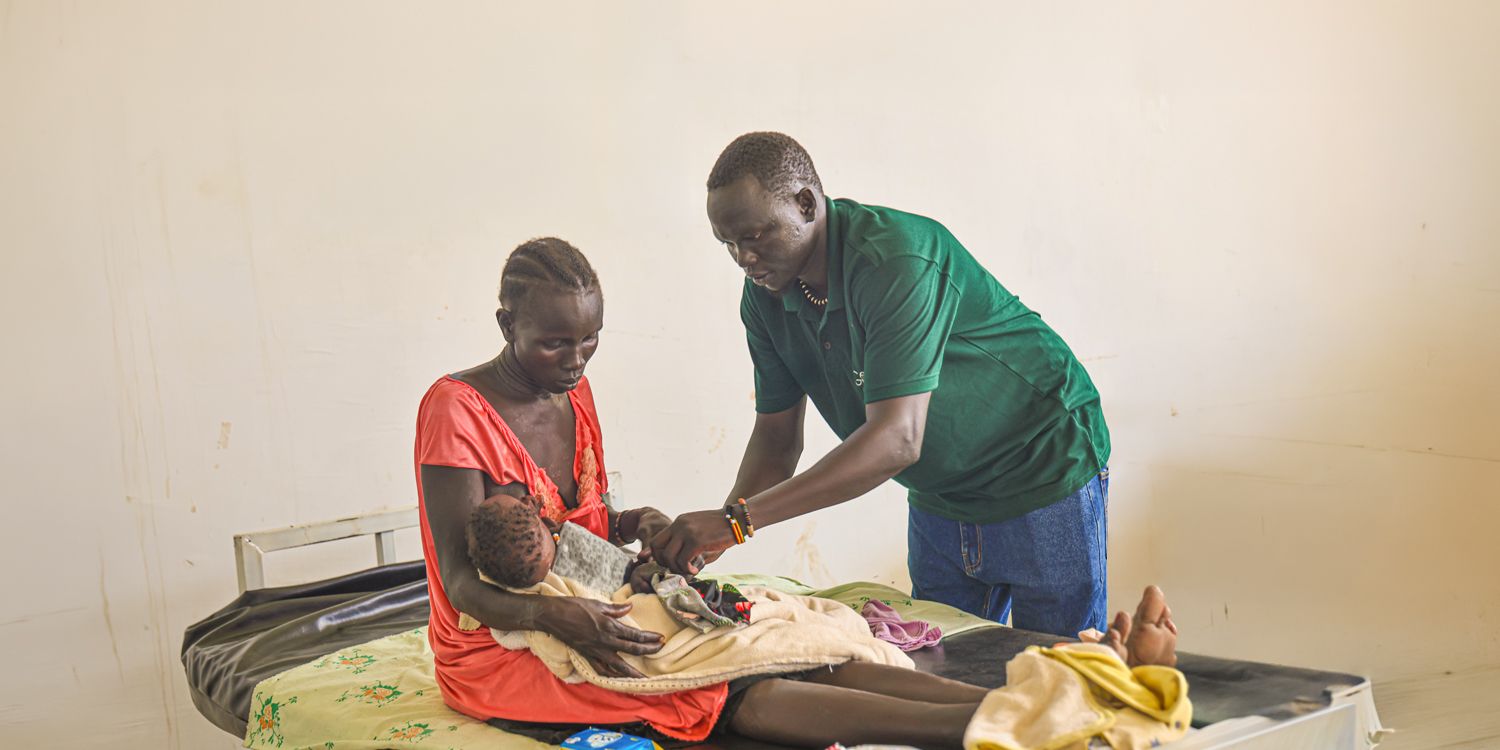
In response, GOAL’s health team brought her back into care. They increased the frequency of her treatment and provided additional nutritional counselling to her family.
“The family had not been able to consistently follow the recommended feeding guidance and use of the therapeutic food,” explained Dr Galtalat Chol, a member of GOAL’s medical team. “We intensified her treatment and reinforced the nutritional counselling with the family. She is now making good progress. She has gained weight, and her mid-upper arm circumference has improved to a healthier range.”
Signs of recovery
Today, Nyapal is gaining weight and showing visible signs of improved health. Dr Chol points to what continued support can achieve:
“The support from the European Union helped make this treatment possible. With continued support and collaboration, we can reach more children in these camps with timely care and help prevent illness from becoming life-threatening.”
For Nyapal and her family, follow-up will remain important as she grows. Her recovery shows the value of timely identification, rapid referral and access to specialized stabilization care can make the difference between a child remaining critically ill and beginning the journey toward recovery.
