

 Stories
March 17, 2026 • 4 min read
In displacement camps across northwest Syria, winter regularly exposes how fragile daily life remains for families still living in temporary shelters after years of conflict. When severe storms hit on 30–31 December 2025, rain, snow, and flooding damaged tents and informal structures across camps in Aleppo and Idlib, leaving many families suddenly without safe living conditions and forcing them to cope with yet another shock on top of ongoing hardship.
Preliminary assessments showed that at least 2,650 vulnerable families (approximately 14,000 individuals) across 56 displacement sites were affected, facing urgent needs for emergency shelter, heating, thermal blankets, clothing, and food. The storms also disrupted basic services, contaminated water sources, and heightened the risk of disease and hypothermia, particularly among children, older people, and those with chronic illnesses.
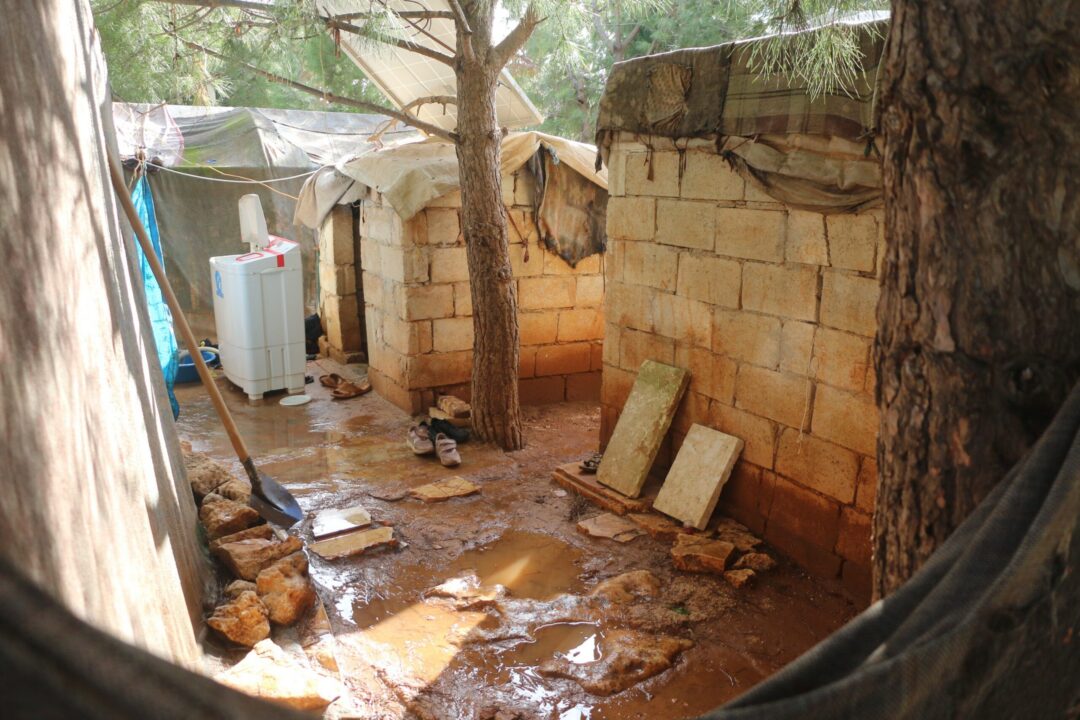
Close-up view between shelters in Al-Hawija Camp, showing storm damage, water inside tents and shelters, fragile walls and roofs, and the impact of harsh weather amid limited infrastructure.
Escalating Needs After the Storm
In response, GOAL launched an emergency intervention through the emergency response under the EU-funded SANAD II programme, providing Multi-Purpose Cash (MPC) assistance to over 2,500 of the most severely affected families, including Mohammad’s. The response was implemented within 72 hours of site validation, reducing suffering and preventing further deterioration during the peak of the 2025–2026 winter season.
Mohammad Abbas Khalif, 50, is a father of seven children. His story reflects the prolonged suffering of a family displaced early in the conflict, now facing severe health and livelihood challenges inside displacement camps, especially during winter.
Mohammad carries heavy health-related responsibilities within his family. His son Abdulhai,12, underwent a cardiac catheterisation surgery seven months ago in Türkiye after being diagnosed with a serious heart condition.
“Abdulhai’s health is fragile, and I struggle a lot to keep up with his treatment,” Mohammad explains.
Two of his daughters, Bothaina, 14, and Fatima, 8, suffer from malabsorption, requiring special medication and a diet based on corn flour, needs that are increasingly difficult to secure due to poverty and rising prices.
“I can barely afford their medicine, not even the flour they need,” he says.
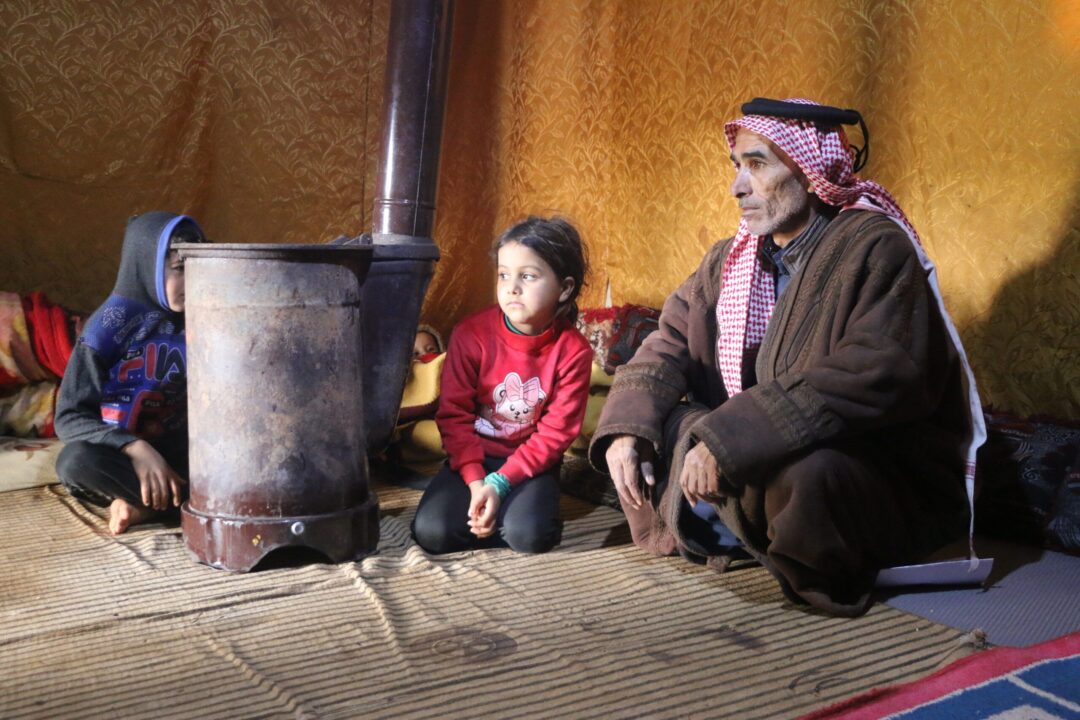
Mohammad sitting with his children inside their shelter in front of a heater in Al-Hawija Camp, Ma’arrat Misrin countryside, Idlib governorate.
Mohammad’s displacement journey began in 2011, when he was forced to flee his village of Qasr Al-Makhram in rural Hama following a military offensive. After nearly 15 years of repeated displacement due to ongoing shelling and ground incursions, he eventually settled in camps in northern rural Idlib, where he has lived for the past seven years without lasting stability.
The Storm’s Impact and GOAL’s Support
Before the recent snowstorm, the family’s situation was relatively manageable compared to others. However, this fragile stability collapsed when the severe weather hit. Mohammad recalls:
“It was a very hard night. We couldn’t sleep. The cold was unbearable, and there was no heating.”
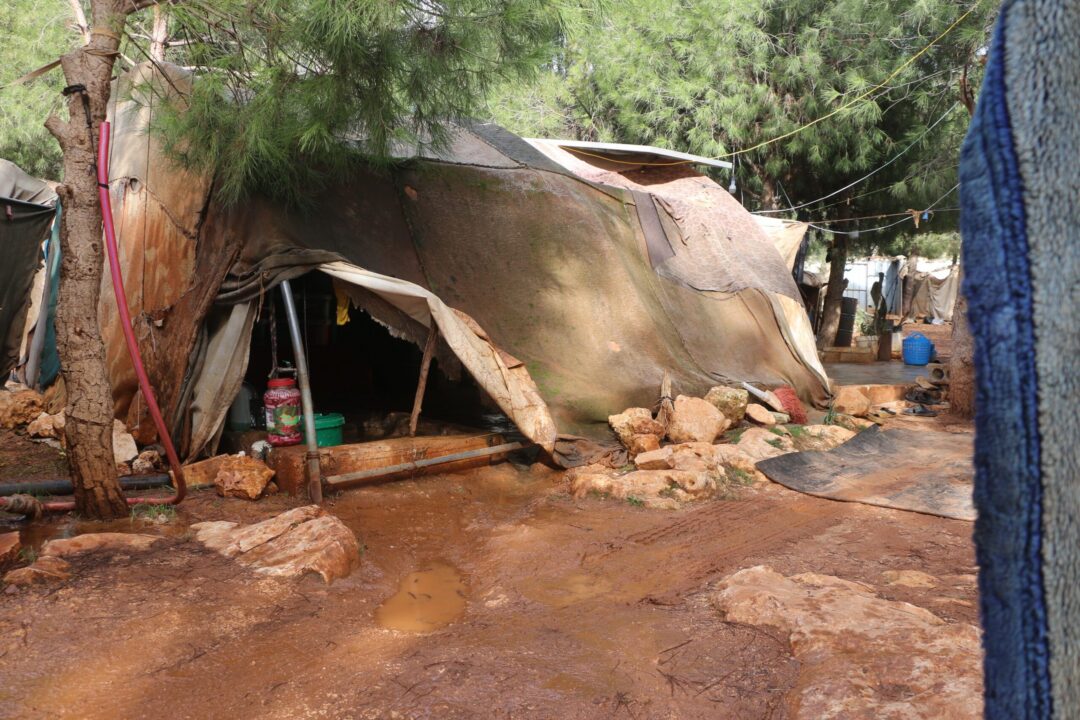
A tent in Al-Hawija Camp surrounded by mud and unpaved roads, highlighting unsafe, informal shelters and lack of privacy for displaced families exposed to winter storms.
As snow accumulated, water began leaking into the tent, and the weakened roof nearly collapsed. The suffering extended across the entire camp. Neighbouring tents were flooded, and others collapsed, highlighting the extreme vulnerability of shelter conditions.
The storm destroyed most of the family’s furniture and household belongings, leaving the tent unsuitable for both the current winter and the upcoming summer. Their urgent needs now include a full replacement of their tent and household items, essential medications, and food assistance.
Mohammad’s family received support through GOAL’s cash assistance program funded by European Union. Through multipurpose cash assistance, families receive flexible cash transfers that allow them to prioritize and purchase the items they need most, such as food, clothing, heating fuel, rent, or medicine based on their own circumstances. This support helped his family buy essential items, though needs remain significant.
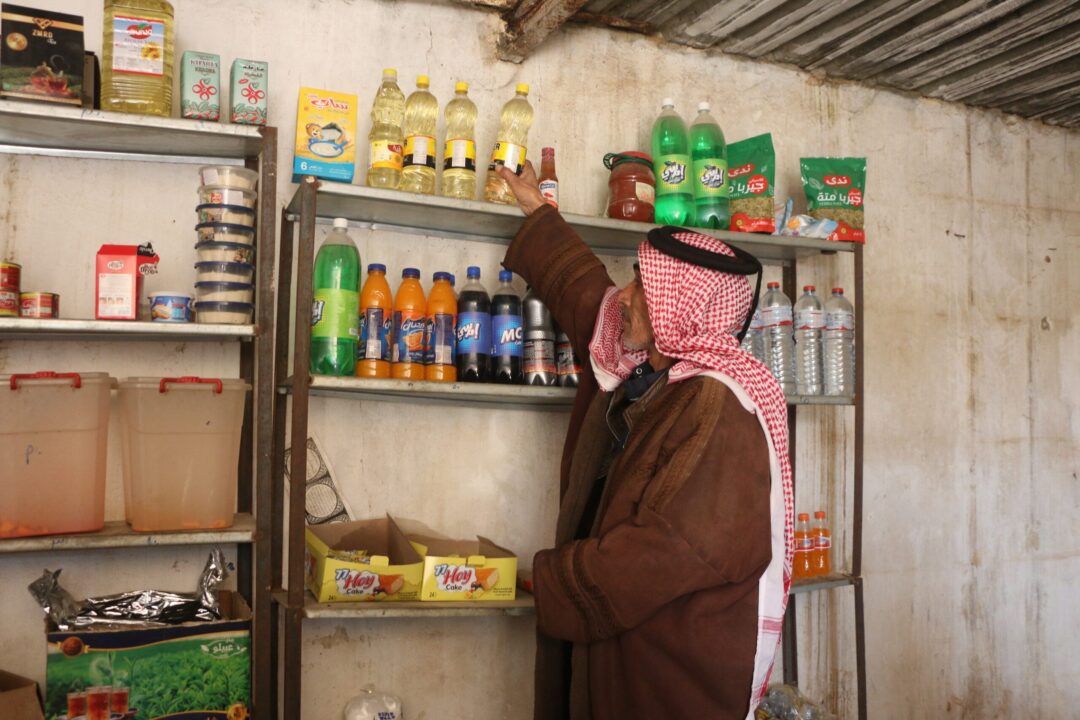
Mohammad purchasing basic food items after receiving Multi-Purpose Cash assistance in Al-Hawija Camp, Idlib governorate.
Mohammad’s story reflects the reality facing millions of displaced families across Syria. In the face of winter conditions and ongoing economic hardship, multipurpose cash assistance provides a vital lifeline, enabling families to meet their most urgent needs with dignity and choice. As displacement continues and vulnerabilities deepen, sustained humanitarian support remains essential to help families survive and rebuild.
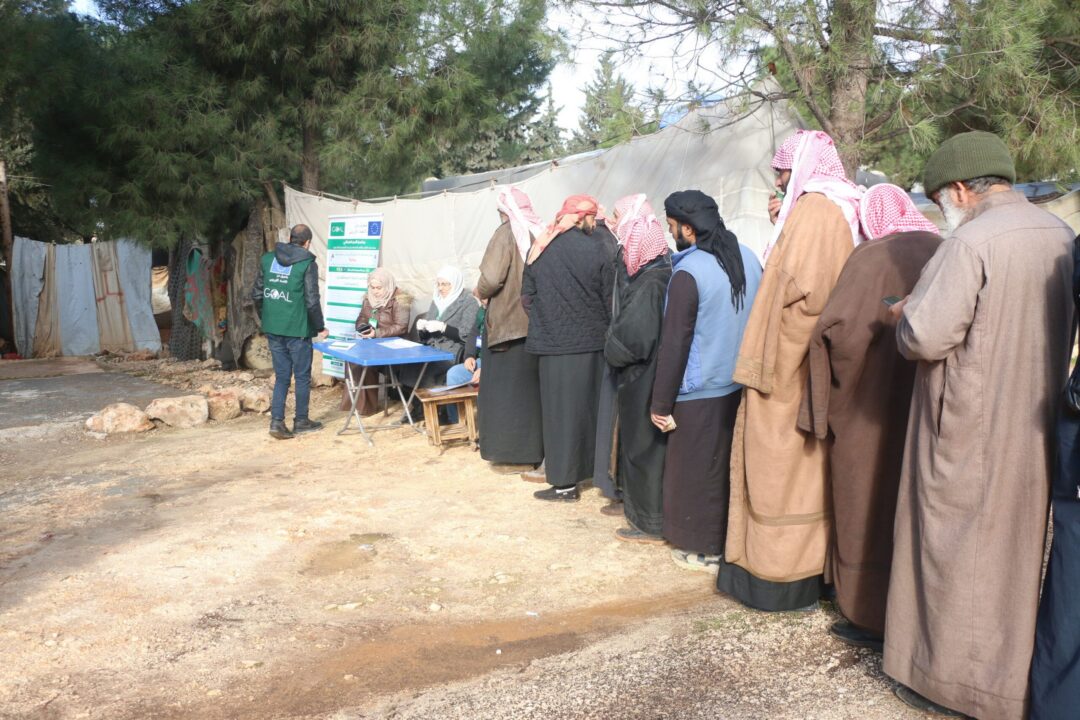
Cash distribution point in Ma’arrat Misrin countryside, where displaced families receive assistance under the EU-funded SANAD II programme.
About EU Civil Protection and Humanitarian Aid
The European Union and its Member States are the world’s leading donor of humanitarian aid. Relief assistance is an expression of European solidarity with people in need all around the world. It aims to save lives, prevent and alleviate human suffering, and safeguard the integrity and human dignity of populations affected by natural disasters and man-made crises.
Through its Civil Protection and Humanitarian Aid Operations department, the European Union helps millions of victims of conflict and disasters every year. With headquarters in Brussels and a global network of field offices, the European Union provides assistance to the most vulnerable people on the basis of humanitarian needs.