

 Stories
June 3, 2026 • 3 min read
Nyabhan Yien, a five-year-old girl living in Luak Dong refugee camp after fleeing conflict in South Sudan, suffered repeated seizures without access to consistent medical care. During one severe episode, her condition appeared so critical that her family feared she had died before realizing she was still alive. A GOAL community health outreach visit linked her to medical services, where she was assessed, diagnosed, and enrolled in ongoing treatment and follow-up care. With regular medication, monitoring, and psychosocial support, Nyabhan has shown significant improvement, bringing relief and renewed hope to her family.
The sound of a shovel cutting through dry earth filled the silence around five-year-old Nyabhan Yien’s family in Luak Dong refugee camp in Ethiopia’s Gambella region. After suffering a prolonged epileptic seizure that left her unconscious for hours, her parents believed she had died.
Displaced by conflict in South Sudan, the family had already lost their home and stability. Now, they feared they had lost their daughter as well.
Family members sought help from neighbors, but after seeing no visible response from the child, they began preparing for her burial. Then, just before the burial preparations continued, Nyabhan sneezed.
The sudden movement stunned everyone around her. Her family rushed to her side and realized she was still alive.
Living with a Severe Seizure Disorder in Displacement
For refugee families managing chronic illnesses in crisis settings, Nyabhan’s experience is far from unusual.
Since infancy, she had experienced recurring seizures, but displacement and limited access to consistent healthcare made long-term treatment difficult. Without regular medical follow-up and medication, her condition worsened over time, eventually leading to the severe episode that nearly cost her life.
In refugee settings, families caring for children with neurological conditions often face interrupted treatment, lack of awareness, and limited access to specialized care.
Community Outreach Opens the Door to Care
In the days following the incident, Nyabhan’s family remained fearful that another seizure could happen at any moment. Shortly afterward, a community health outreach team supported by GOAL visited households in the camp, raising awareness about available health, nutrition, and psychosocial services.
After learning that treatment was available nearby, Nyabhan’s mother brought her to GOAL’s health facility.
Medical staff conducted a full clinical assessment and diagnosed a severe seizure disorder requiring consistent treatment and follow-up care. Nyabhan was enrolled in regular medical support and began receiving medication twice daily.
Recognizing the emotional trauma experienced by the family, GOAL’s Mental Health and Psychosocial Support (MHPSS) team also provided counselling and continuous follow-up support to help Nyabhan’s mother manage fear, stress, and treatment adherence.
A Child Returning to Childhood
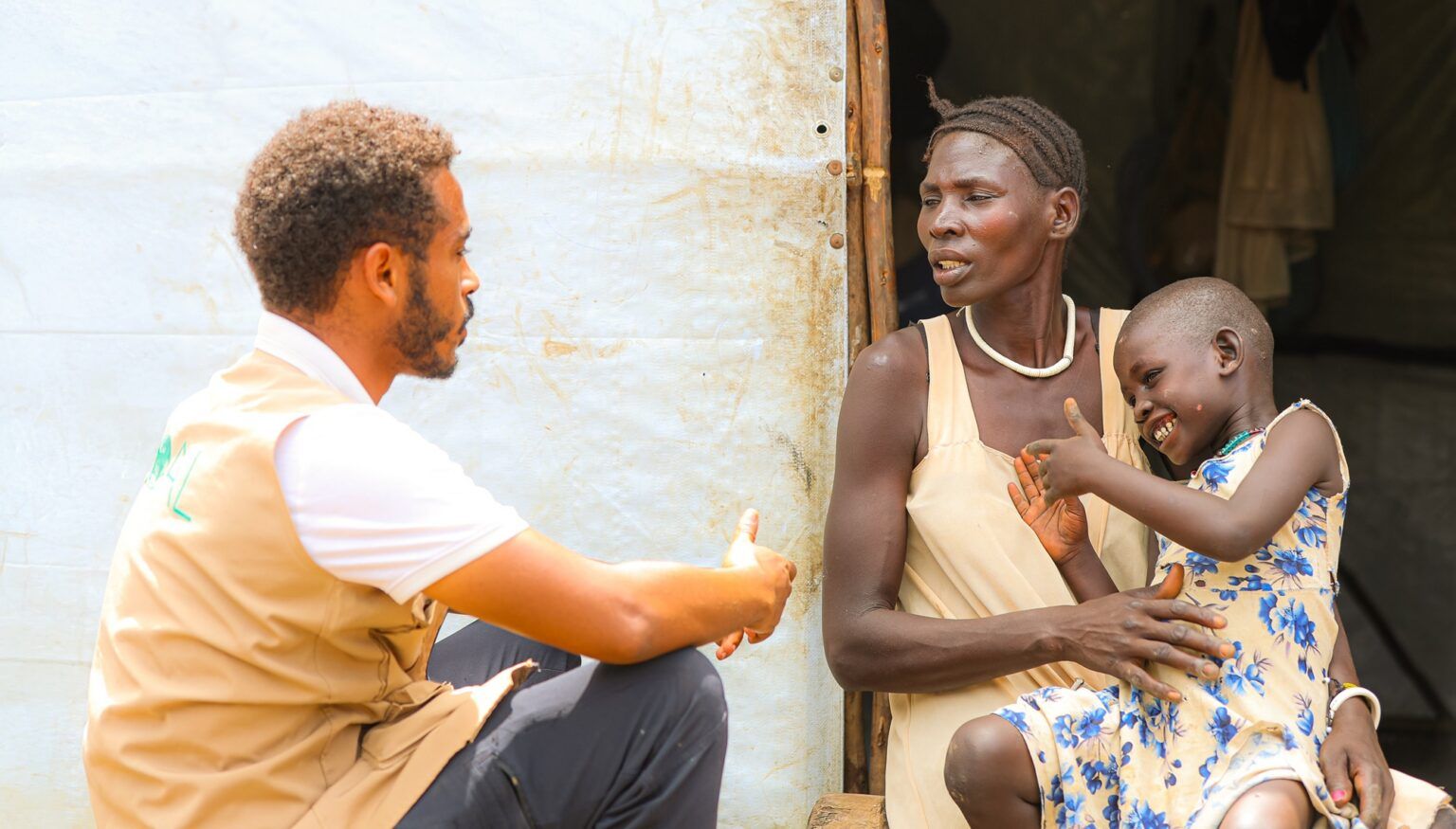
Nyabhan’s mother Nyachirmis Koway says the changes in her daughter’s condition have transformed the family’s daily life.
“I used to feel deeply anxious and saddened by my child’s condition. She would shake, fall frequently, and suffer injuries and bleeding during seizures,” she said. “But now, through the ongoing treatment, I am happy to see her improving, staying alert, playing, and laughing. It brings me great joy to witness this change.”
Muhammedamin Tewfik, GOAL Mental Health and Psychosocial Support Officer in Luak Dong refugee camp, recalls how serious Nyabal’s condition was when she first arrived for treatment.
“When the child first came to us, her condition was severe,” he explained. “She could not stand properly without her body shaking, and she frequently fell, leaving visible injuries on her body. But through consistent follow-up care and medication taken twice daily over months, her health has improved significantly. Now she can be seen playing just like any other child.”
Today, Nyabhan is able to stay active, alert, and engaged with other children in the camp a significant change from the severe episodes that once disrupted her life and left her family fearing the worst.
This intervention was made possible through the support of the Ethiopia Humanitarian Fund (EHF), which enables GOAL to provide integrated nutrition, health and psychosocial services for vulnerable refugee communities in Ethiopia’s Gambella region.
Through community outreach, medical care, and sustained follow-up support, families like Nyabhan’s are able to access critical services before conditions become life-threatening.
