

 Press Release
April 28, 2026 • 2 min read
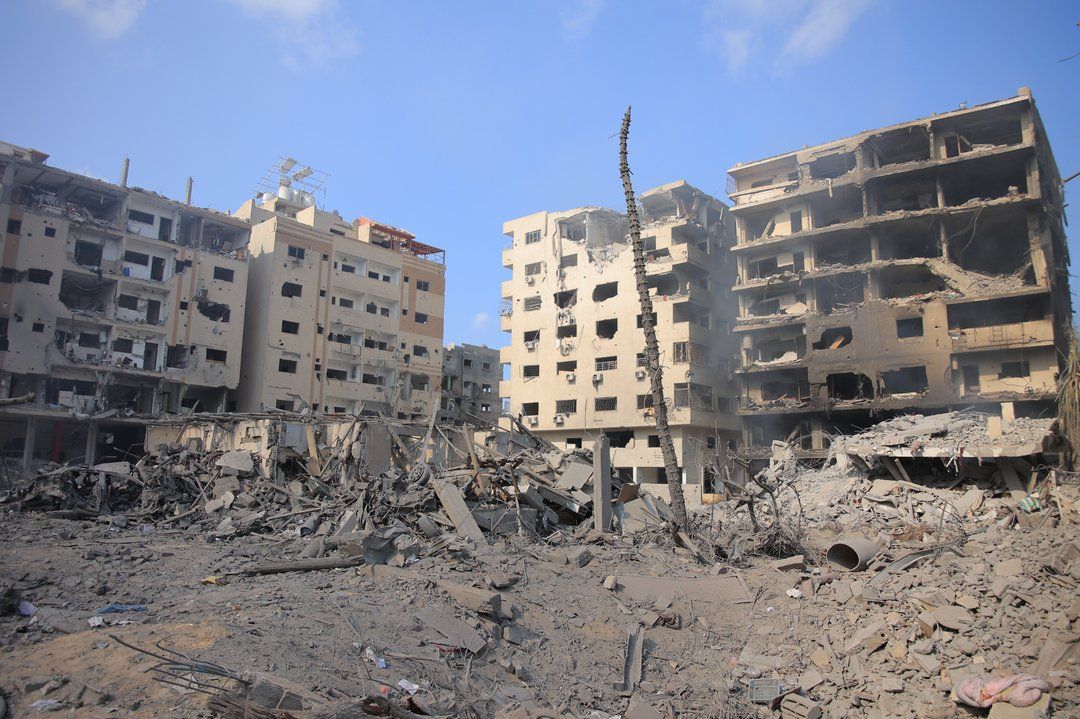
The conflict in Gaza has displaced an estimated 90% of the population, leaving vast numbers of people without consistent access to food, shelter, or healthcare. Critical infrastructure has been severely damaged, with an estimated 94% of hospitals destroyed, deepening the crisis for those already displaced. According to a recent joint assessment by the UN and EU, rebuilding Gaza is expected to cost more than €60 billion over the next decade.
In response to the humanitarian crisis, GOAL, working in partnership with Palestine’s largest non-profit organisation Taawon, first delivered emergency food kits to 10,101 internally displaced people between December 2023 and February 2024. As needs escalated and access to healthcare collapsed, the partnership expanded its response, establishing two mobile health clinics between September 2024 and February 2026 to serve communities in both the north and south of Gaza.
Dr Tareq Emtairah, Director General of Taawon, is in Dublin this week, having last visited Ireland a year ago, to share what he and his team are witnessing on the ground:
“While global attention may shift from one crisis to another, the reality in Gaza has only deepened. Today, the vast majority of the population has been displaced, and entire systems that sustain daily life have been pushed to the brink. This is not a crisis that is fading; it is one that is becoming more complex, and it demands sustained international engagement.”</
He continued: “The situation in Gaza is not only a humanitarian emergency, but it is also a crisis of systems. Healthcare, livelihoods, and social structures have been severely disrupted. At Taawon, we are working to move beyond immediate relief toward a comprehensive recovery approach that restores essential services, strengthens local institutions, and helps communities regain a sense of stability.”
Speaking on Taawon’s collaboration with GOAL, Dr Emtairah commented:
“Our partnership with GOAL shows what is possible when international and local actors work together effectively. From emergency food assistance to frontline healthcare, we are not only responding to immediate needs, but also contributing to a broader pathway toward recovery, where communities can regain stability and begin to rebuild with dignity.”
“In the West Bank, we are witnessing a different but equally concerning reality. Communities are facing increasing instability, movement restrictions, and growing pressure on their daily lives. Young people in particular are navigating fear, uncertainty, and limited opportunities. Our work there focuses on strengthening resilience, supporting psychosocial well-being, and ensuring that this generation is not left behind.”
