

 Stories
July 23, 2026 • 2 min read
Facing extended dry season, fuel shortages, and limited vaccine availability, GOAL and its partners worked against time to protect livestock-dependent communities in East Hararghe. Through strong coordination with local authorities and community members, the Ethiopia Humanitarian Aid funded project delivered a critical livestock vaccination campaign across four remote districts, safeguarding vital household assets and demonstrating the impact of collective action during challenging humanitarian operations.
East Harerghe has endured repeated cycles of drought that have severely affected household incomes and livelihoods. For pastoralist and agro-pastoralist families, the loss of livestock or a poor harvest can quickly turn into a crisis, leaving them with few ways to recover.
To respond to these needs, the Ethiopia Humanitarian Fund (EHF), through FAO, supported a project with three complementary interventions: flexible cash assistance for the most vulnerable households, distribution of improved, drought-resistant seed varieties, and livestock vaccination to protect animal assets from disease outbreaks. GOAL was responsible for delivering the livestock vaccination campaign across four remote districts.
Working Against Time and Circumstance
The project launched during one of the most difficult periods for implementation. Unlike some humanitarian projects that can be adjusted through no-cost extensions, this intervention ran on a strict timeline that left no room for delay. External factors made the work even harder.
“The project was launched during a very challenging period,” said Newyork Wondu, GOAL’s Area Manager in East Harerghe. “Two major challenges were beyond our control: fuel shortages resulting from the situation in the Middle East, and insufficient vaccine stocks.”
Rather than letting these constraints stall the work, GOAL’s field teams worked closely with local authorities, veterinary services, and partners to find practical solutions and keep the campaign moving.
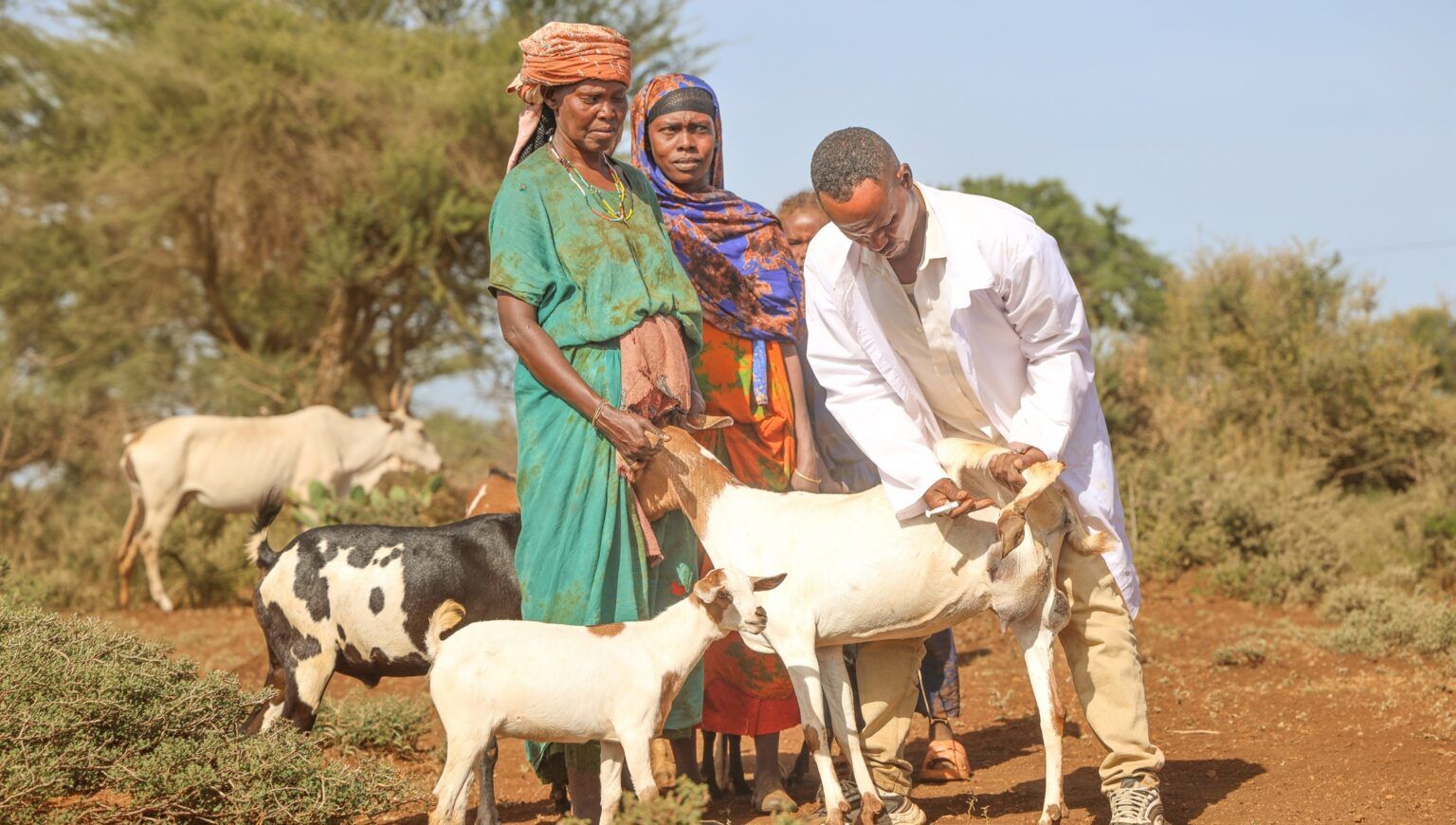
Communities Leading the Response
Community ownership was central to how the project moved forward. Local leaders and community members were involved from the beginning, understanding that protecting their livestock meant protecting their own livelihoods.
“They involved us from the start, and since our community was the one benefiting from the project, we were committed to facing every challenge alongside the GOAL team, no matter what obstacles arose,” said Mr. Aliyyii Mahammad, Head of Administration for Goloda District.
Partnership That Delivered Results
Through close collaboration among district administrations, zonal authorities, and development partners, project areas received priority access to the limited fuel available, allowing vaccination teams to reach remote communities on schedule.
Despite these constraints, 75% of the livestock vaccination campaign was completed within the original implementation period, and the remaining work is already underway.
During a joint monitoring visit, representatives from EHF and FAO praised the collaboration and determination shown by all stakeholders, noting that coordinated action had prevented the need for a no-cost extension of the kind that often follows projects facing similar operational challenges.
“We are grateful to the district and zonal administrations, GOAL’s senior leadership, and our local and international partners for helping us deliver this project under immense pressure from challenges that were beyond our control,” Newyork concluded.
