

 Stories
October 16, 2026 • 3 min read
When an infectious disease outbreak begins, every hour spent trying to reach someone who may have been exposed is an hour the disease can spread. And in many countries, contact tracing systems are developed only after an outbreak has already started, missing the critical early window for containment.
The Commtact initiative was created to change that.
The idea began in December 2025, when GOAL’s Programme Innovation Lab brought together government health officials, public health advisors, academics, technology providers and humanitarian practitioners for a Contact Tracing Learning Exchange in Dublin.
Participants from Ireland, Sierra Leone, Ethiopia and other countries shared lessons from contact tracing in both high- and low-resource settings. Their experience helped shape the GOAL’s Commtact Framework and Toolkit for government-led contact tracing.
At the heart of the framework is a simple principle: there is no single approach that works everywhere. Instead, countries need a combination of digital tools and community-based contact tracing that works with, and strengthens, existing health systems.
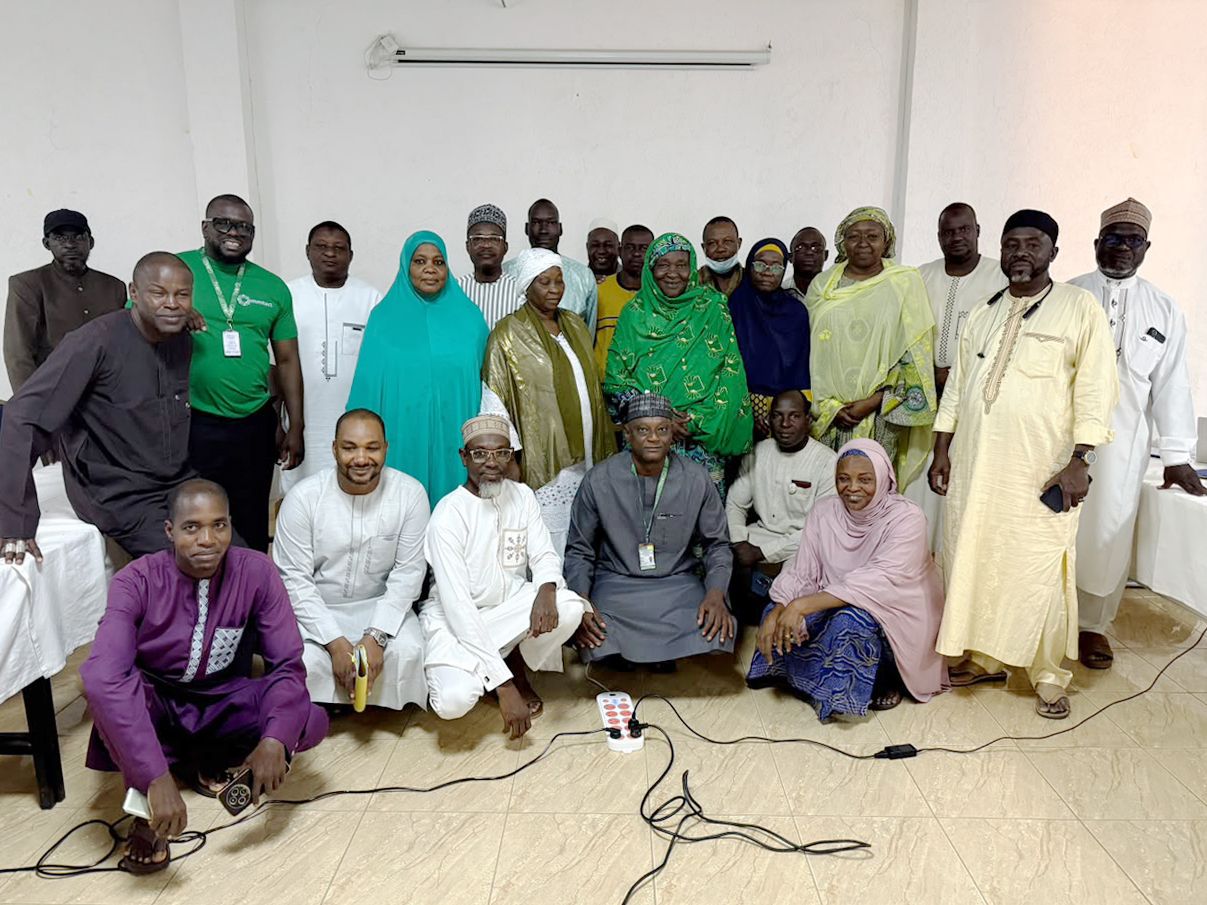
Participants at the Commtact national workshop in Niger, where government, health, technology and community representatives came together to assess the country’s contact tracing preparedness and identify priorities for strengthening outbreak response.
Putting the Toolkit into Practice
In 2026, GOAL’s Humanitarian Innovation Fund began supporting the next phase of Commtact in Sierra Leone, Niger and Colombia. Moving from framework to real-world testing.
On 3 and 4 September, national workshops in Sierra Leone and Niger gave health authorities and other partners the opportunity to apply the Commtact Toolkit to their own systems.
In Sierra Leone, 63 participants from 13 organisations took part alongside the National Public Health Agency. In Niger, 28 participants from 15 organisations joined the Ministry of Health and Public Hygiene through its Directorate of Surveillance and Epidemic Response.
Participants included representatives from government ministries, telecommunications companies, universities and communities, bringing together the different perspectives needed for an effective outbreak response.
Identifying Priorities for Stronger Contact Tracing
During the workshops, participants assessed how prepared their countries are to use digital contact tracing alongside existing systems.
Both countries identified strong foundations to build on, as well as areas requiring further work. Priorities included better integration between health information systems, stronger data protection, dedicated funding for preparedness and clearer roles for communities.
These findings will now inform national action plans setting out the steps each country can take to strengthen its contact tracing systems and the support needed to do so.
GOAL’s technology partner, IntelliSOFT Consulting Ltd, is also working with national teams to develop technical designs tailored to each country.
These will explore how digital and community-based approaches can work together with existing health information systems, and how tools such as automation and artificial intelligence can support, rather than replace, the people involved in contact tracing.
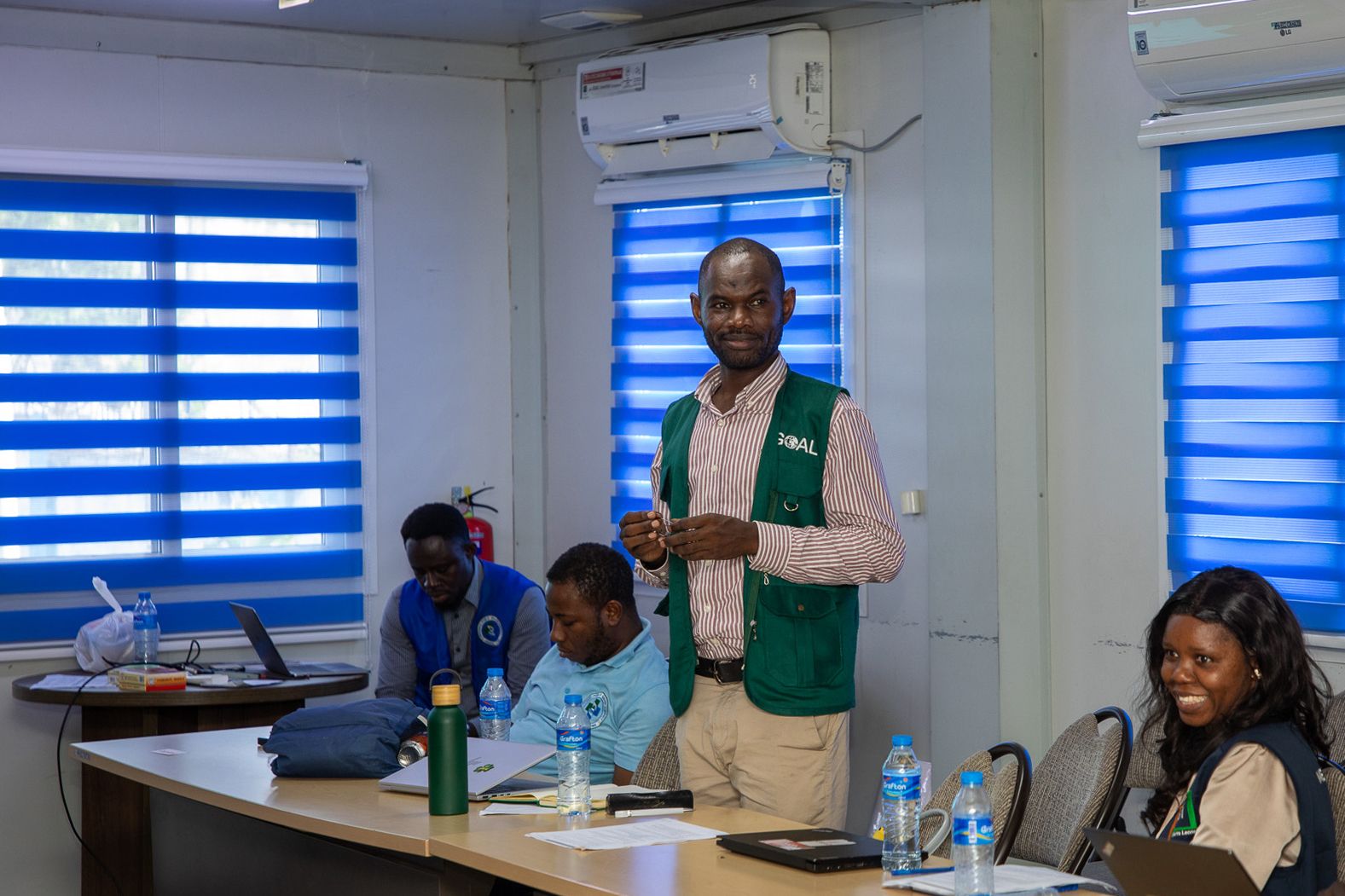
GOAL team in Sierra Leone speaking at the national workshop with health authorities and other partners the opportunity to apply the Commtact Toolkit to their own systems.
Building Better Preparedness
The aim is to help health authorities notify people who may have been exposed to disease more quickly, reach more contacts and make contact tracing more efficient and affordable.
Achieving this starts before an outbreak begins. By bringing together national authorities, communities and technical partners, Commtact is helping countries identify priorities and develop approaches that fit their own health systems and local context.
For more information, contact: [email protected].
