

 Stories
November 4, 2026 • 2 min read
For 25-year-old Rahel, watching her infant son grow weaker was a frightening experience. A persistent stomach infection, accompanied by severe diarrhea and vomiting, left Firaol unable to eat and increasingly malnourished. After receiving treatment and nutritional support at a local health post, Firaol has regained his strength and is now active and healthy again.
The risk of malnutrition and recovery depend on early diagnosis, timely treatment and continued nutritional support. In Deder Woreda, East Hararghe Zone, some families struggle to provide children with a diverse, nutritious diet. Limited household resources can make this harder. Diarrhoea and other infections can also prevent children from eating and absorbing nutrients. Early treatment helps prevent complications and supports healthy growth.
A Mother’s Search for Help
For months, Rahel watched her son struggle with recurring diarrhoea and vomiting. Firaol lost his appetite and grew increasingly weak. He became severely malnourished.
“Things deteriorated to the point where the child’s body was suffering, swelling up, and wasting away from lack of food,” Rahel recalled.
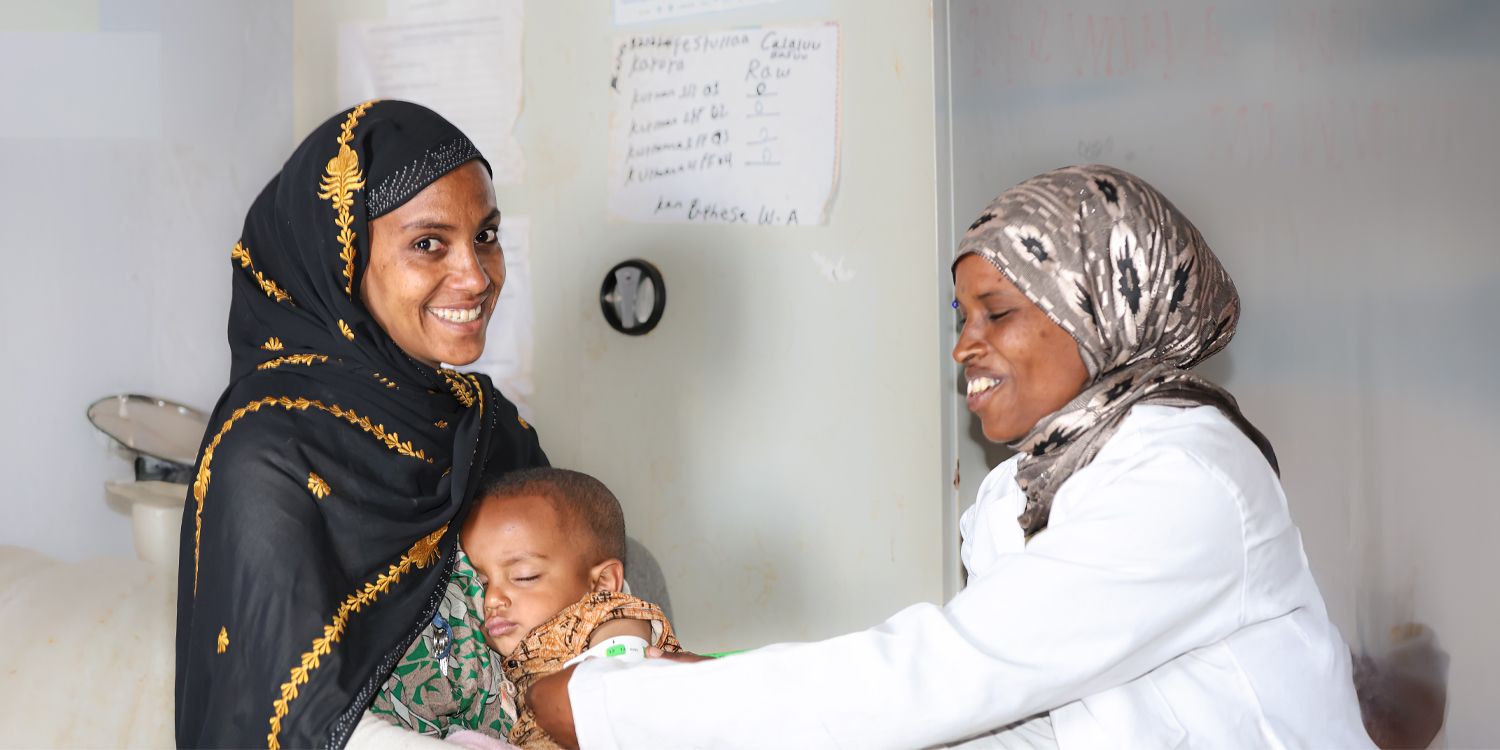
With few options left, Rahel took Firaol to the health post in Deder Welteha kebele. Wolela, a health extension worker, assessed him there. Firaol showed signs of severe malnutrition, weakness and swelling. He needed urgent care.
Treating the Illness and Rebuilding His Nutrition
Health workers treated Firaol’s infection, diarrhoea and vomiting. They also provided therapeutic nutrition and monitored his progress regularly.
As the treatment took effect, Firaol began keeping food down. Nutritional support then helped his body regain the energy and nutrients it needed to recover.
The Joint Emergency Operation Programme (JEOP), generously funded by the US government, supports this wider response. It helps health workers identify and treat children with acute malnutrition.
A Healthier Child, A Relieved Mother
Firaol began to improve with treatment and regular follow-up. Within a month of completing treatment, he had regained his energy and returned to good health, Rahel said.
“My child’s health is restored, and I am so happy,” she said.
The programme also helps local health workers respond to acute malnutrition. Nesredin Mohammed, the woreda food and nutrition coordinator, explained how the project had strengthened the health post’s capacity.
“Previously, the health workers could treat fewer than seven severely malnourished children in a year. With the support of the project, the health post treated more than 131 children with acute malnutrition in just six months.”
The response also helps families improve their diets. Caregivers receive practical advice on nutrition and household food production, including backyard gardening. These activities can help families diversify their diets and reduce future nutritional risks.
For Rahel, the outcome is clear. Her son is healthy, active and growing stronger again.
