

 Stories
May 1, 2026 • 3 min read
Recurrent drought in Borena Zone, southern Ethiopia, is placing pastoralist families under severe strain, with livestock losses and food shortages increasing the risk of child malnutrition. For Tura, a mother of seven from Dida Yabelo village, the crisis hit hardest when her 13-month-old twins were diagnosed with severe acute malnutrition. Through GOAL’s Joint Emergency Operation Programme (JEOP), her children received life-saving treatment and ongoing follow-up care.
Borena’s pastoralist communities are facing repeated rainfall deficits after several below-average seasons. As the region’s climate becomes increasingly unpredictable, families relying on livestock are struggling more than ever. With water sources drying up, grazing land is disappearing, depleting livestock numbers and weakening those that survive the harsh conditions. As a result, households across the region are being pushed into deeper hardship as there is less meat to consume and fewer animals to sell to support their livelihoods.
Rising Malnutrition
One of the most devastating consequences of the worsening dry season is the sharp rise in malnutrition. For many communities in the region, shrinking herd sizes has reduced access to milk and other essential foods, driving acute malnutrition. Young children under five are most severely affected by this form of malnutrition, as they are less equipped to cope with sustained food and nutrition shortages.
At the same time, mothers are grappling with the compounding pressures of chronic drought. The increased periods of drought have forced many to travel long distances in search of water and suitable pasture for their remaining livestock, leaving less time for regular feeding of their children, exacerbating the symptoms of malnutrition among young children.
With each new cycle of drought, repeated shocks weaken families’ ability to recover, leaving them increasingly vulnerable.
Strengthening Local Treatment Systems
To address severe cases of acute malnutrition and prevent worsening conditions among children, GOAL is partnering with local health authorities to strengthen stabilisation centres and outpatient therapeutic programmes in the Yabelo District. GOAL teams are proactively tracing and following up on cases across villages to ensure early identification of malnourished children. Once teams identify the children, GOAL refers them through established pathways to the appropriate level of care, either a stabilisation centre for severe cases with complications or an outpatient therapeutic programme for those who can be treated within their community.
These initiatives operate under the Joint Emergency Operation Programme (JEOP), led by Catholic Relief Services (CRS) with support from the United States Government.
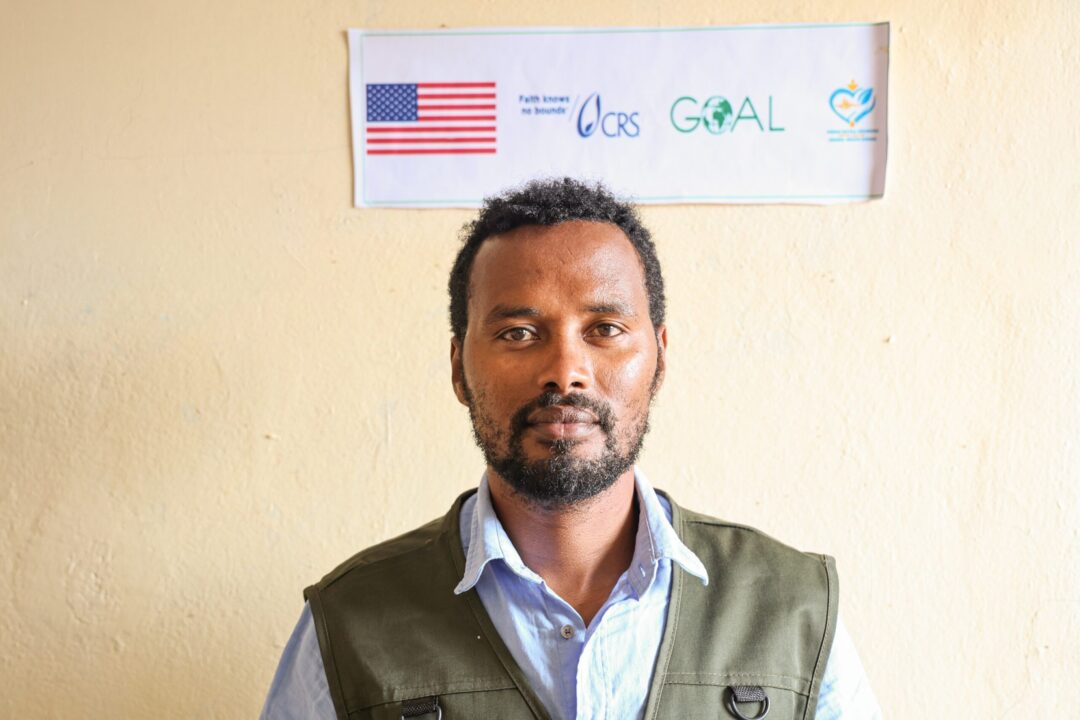
Tadi Guracha, Senior Health and Nutrition Officer, explains the approach, “The JEOP programme was launched in our area three months ago. We have focused on building the capacity of health teams in Dodi Yabelo and 18 other kebeles, training a total of 105 health professionals. We also supported the establishment of 19 stabilisation centres and 18 outpatient therapeutic programme sites.”
“Currently, mild drought conditions are affecting the community, increasing children’s vulnerability to malnutrition. Since the programme began, we have treated 148 outpatients, and 12 children with severe acute malnutrition have received inpatient care. We are grateful for the support of the United States Government through CRS, and we hope this assistance will continue.”
Supporting Families Through Recovery
In Dida Yabelo village, Tura, a 35-year-old mother of seven, experienced these challenges firsthand before receiving support from GOAL teams. Her 13-month-old twins, Robe Dida and Roba Dida, became severely malnourished after the family lost eight cattle to drought.
“We are pastoralists, but our cattle died because of the drought, costing us eight animals. We tried farming to cope with our situation, but the drought also destroyed our crops. That is why we could not afford the food we needed,” she explains.
Speaking to the support she received from GOAL, Tura shared, “Health workers identified my children during a home screening and told me they were in critical condition. Following their advice, I brought them to the stabilisation centre to access treatment. As their condition improved, I continued follow-up care from home, and now I receive Plumpy’Nut every week.”
Today, Robe Dida and Roba Dida are stable and steadily recovering thanks to early detection and timely treatment.
Early Intervention Saves Lives
In drought affected areas like Borena, strengthening local health services and maintaining uninterrupted nutrition support are essential to protecting children’s health, survival, and long-term wellbeing during climate related emergencies. The recovery of Tura’s twins shows what is possible when lifesaving services reach the most vulnerable families in time through early intervention approaches. With droughts becoming more frequent and more severe, continued investment in local health systems and early nutrition interventions remains an essential approach of GOAL’s humanitarian response.
