

 Stories
April 13, 2026 • 4 min read
Prolonged drought across Ethiopia’s Borena Zone in 2022 and 2023 has devastated pastoralist communities, wiping out the livestock herds vital to food, income, and stability for hundreds of families. As families are faced with shrinking herds and rising vulnerability, GOAL is helping households rebuild their livelihoods by providing a diversified mix of livestock. Through this targeted support, communities are building resilience and sustainable farming methods to withstand future shocks.
Livelihoods Lost to Drought
In the Borena Zone, livestock are a vital asset for many pastoral communities, providing a pathway to food security and improved livelihoods. Herds provide daily nourishment through milk, income generation through livestock sales, providing a vital and diversified safety net for families living in harsh conditions through traditional livelihoods.
But in 2022 and 2023, consecutive seasons of failed rainfall threatened the livelihoods of many of the region’s communities. Severe and repeated drought depleted grazing lands and dried up water sources, triggering widespread livestock loss, significantly reducing households’ ability to meet basic needs. Even as the drought eased, many communities remained highly vulnerable as they were left with drastically reduced herd sizes and ongoing water shortages. As a result, communities become increasingly vulnerable to smaller shocks, including short dry spells, rise in food process and outbreaks of livestock diseases.
Supporting the Most Vulnerable Families
In response, GOAL is supporting pastoral families across the Borena Zone to rebuild their herds and their livelihoods through poultry and livestock support, with generous funding from the United States Government.
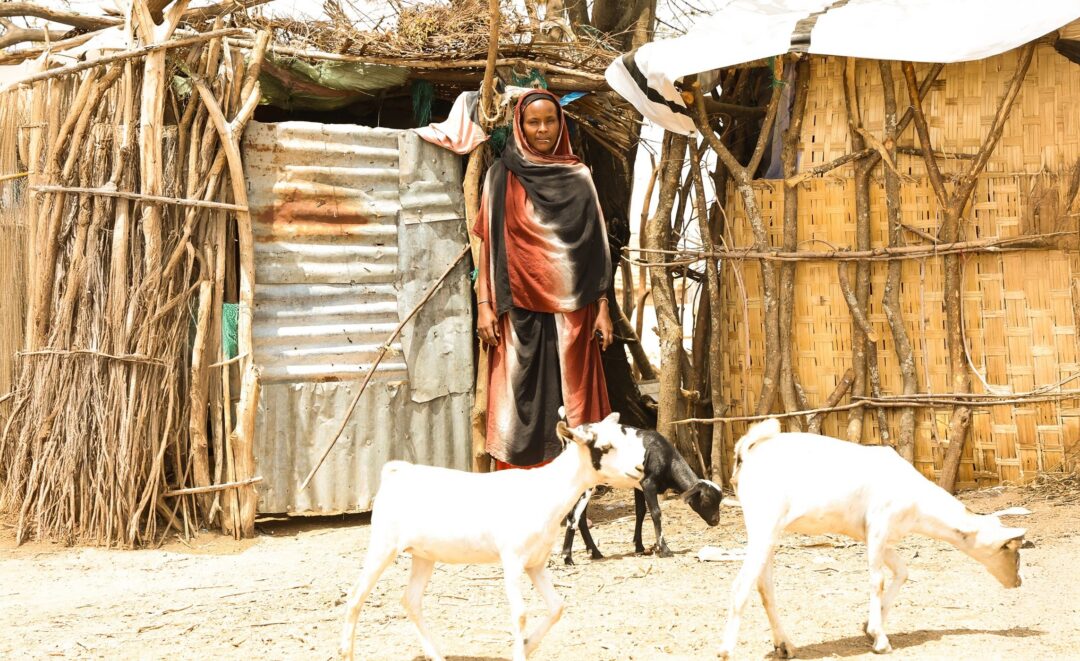
By providing families with a carefully selected mix of livestock, GOAL is strengthening community resilience, reducing reliance on a single income source, and helping households better withstand future shocks. Goats offer a consistent supply of milk, while chickens provide meat and eggs for both home consumption and local markets. This diversified and sustainable livestock support is enabling drought‑affected families to rebuild their livelihoods with greater stability and long‑term security.
Shiferaw Yelma, GOAL’s Project Manager in the Elwaye district of the Borena Zone, explained that the programme prioritises households facing the greatest challenges.
“Borena is a very wide zone, but we identified 425 of the most vulnerable households,” he said. “These include widowed mothers, child-headed households, and people living with disabilities. Each household received five female goats, and we also distributed six egg-laying chickens to 1,008 households. Compared with the scale of the challenges, communities need more support, but this assistance helps families restart their livelihoods.”
A Chance to Start Again
For Jatene Hado, a 35-year-old widow and mother of six, the drought brought unimaginable loss. After her husband passed away from a sudden illness, she was left to care for her children alone. Then the drought struck, wiping out the entire herd she depended on for food and income.
“I used to have 20 cattle, but they all died during the drought,” she explained. “Since then, life has never been the same.”
Without livestock, Jatene tried to survive by collecting and selling firewood, but it was barely enough to feed her family. Farming offered little relief as she had no oxen of her own and struggled to borrow them for ploughing. Small-scale trading at the weekly market also failed to generate steady income. After GOAL team’s identified Jatene and provided her with livestock support, she was able to build a resilient and regenerative source of food and income for her family.
“I received five female goats, and three of them are already pregnant,” she said. “We will soon have goat milk and more animals. If they give birth to female goats, I will keep them. If they give birth to males, I will fatten them and sell them. There were days when we slept with empty stomachs, but now we will at least have milk.”
Voices of Resilience
Daki Dulecha, a 50-year-old mother of twelve, experienced similar losses when the drought wiped out her livestock. Like many pastoralist families, she relied on the return of rainfall to recover her losses, but the persisting dry conditions offered no respite. Through GOAL’s livestock support, Daki’s family was supported in taking the first step toward rebuilding their livelihoods.
“This support is not just a gift,” Shiferaw said. “It contributes directly to household income, nutrition, and stability. We are grateful to the United States Government for funding this initiative. The needs are still very high, but this programme is an important step in helping communities begin to recover.”
A Growing Need
As climate shocks continue to threaten pastoralist communities across the Borena Zone, GOAL’s livestock support programme goes beyond immediate relief, laying the foundation for long‑term recovery. By helping families rebuild sustainable, diversified herds, the programme is building resilience for hundreds of families across the region. While the needs remain immense, GOAL’s progress demonstrates how targeted, resilient solutions can empower communities to recover. needs remain immense, GOAL’s progress demonstrates how targeted, resilient solutions can empower communities to recover.
