

 Stories
April 30, 2026 • 4 min read
In the conflict‑affected Abyei Administrative Area of South Sudan, displacement and insecurity have left thousands of families without safe access to basic healthcare. Supported by the European Union, and consortium partners, Save the Children, GOAL’s mobile outreach clinics are bringing life‑saving services directly to remote and displaced communities, ensuring people can receive treatment despite distance, insecurity and limited resources. For families forced from their homes, these mobile clinics offer timely care, dignity and hope when it is needed most.
A Crises Unfolding
In the Abyei Administrative Area of South Sudan, years of instability, intercommunal violence and displacement have placed immense strain on already fragile health systems. Insecurity and repeated fighting have left thousands of families cut off from basic care. Many health facilities are damaged, understaffed or too dangerous to reach. For people forced from their homes, even common illnesses can quickly become life‑threatening.
Today, tens of thousands of internally displaced people and returnees from Sudan are seeking safety in Abyei, further increasing pressure on limited health services as communities struggle to meet growing needs.
Mobile Outreach Clinics
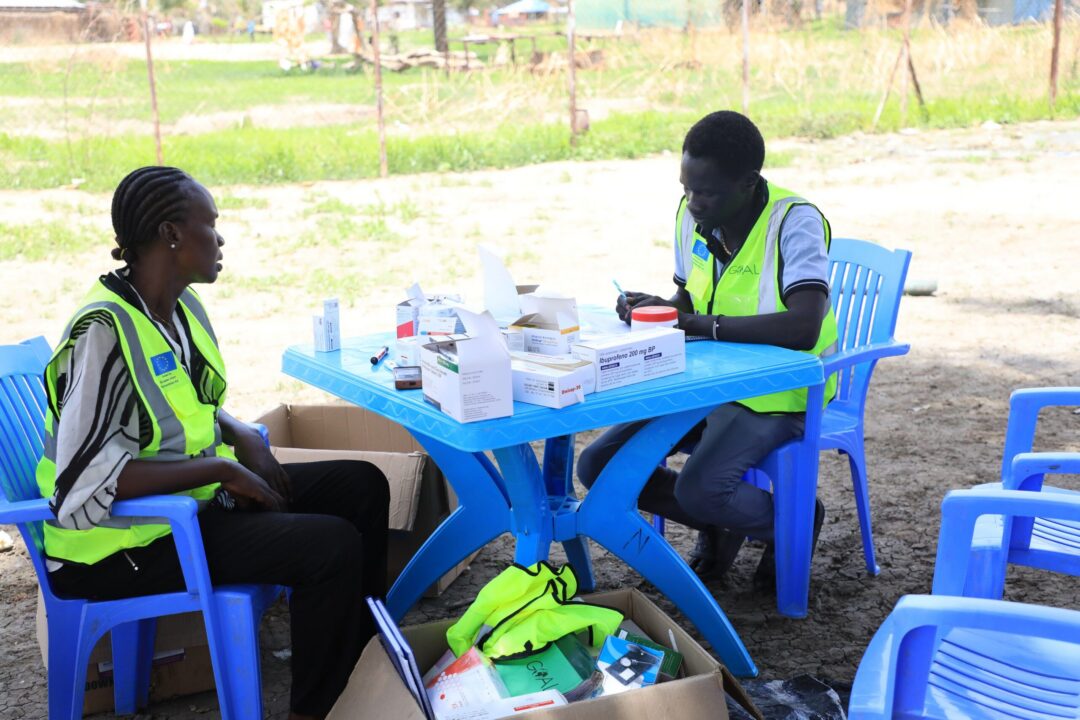
In remote and conflict‑affected areas where access to healthcare is limited, mobile outreach clinics are essential to ensuring communities can receive basic medical care. In Abyei, GOAL’s mobile outreach teams help overcome barriers caused by distance and insecurity, bringing primary healthcare services directly to people who might otherwise go without support.
Across the Abyei region, GOAL supports 15 health facilities alongside our implementing partner, Save the Children. Seven of these clinics are funded by the European Union. Through these fixed facilities and outreach services, communities can access medical consultations, treatment for common illnesses, and essential medicines, alongside maternal and child healthcare. Nutrition screening, health education, and community referrals are also integrated into services, helping to ensure timely care and continuity of support.
Care That Comes to the Community
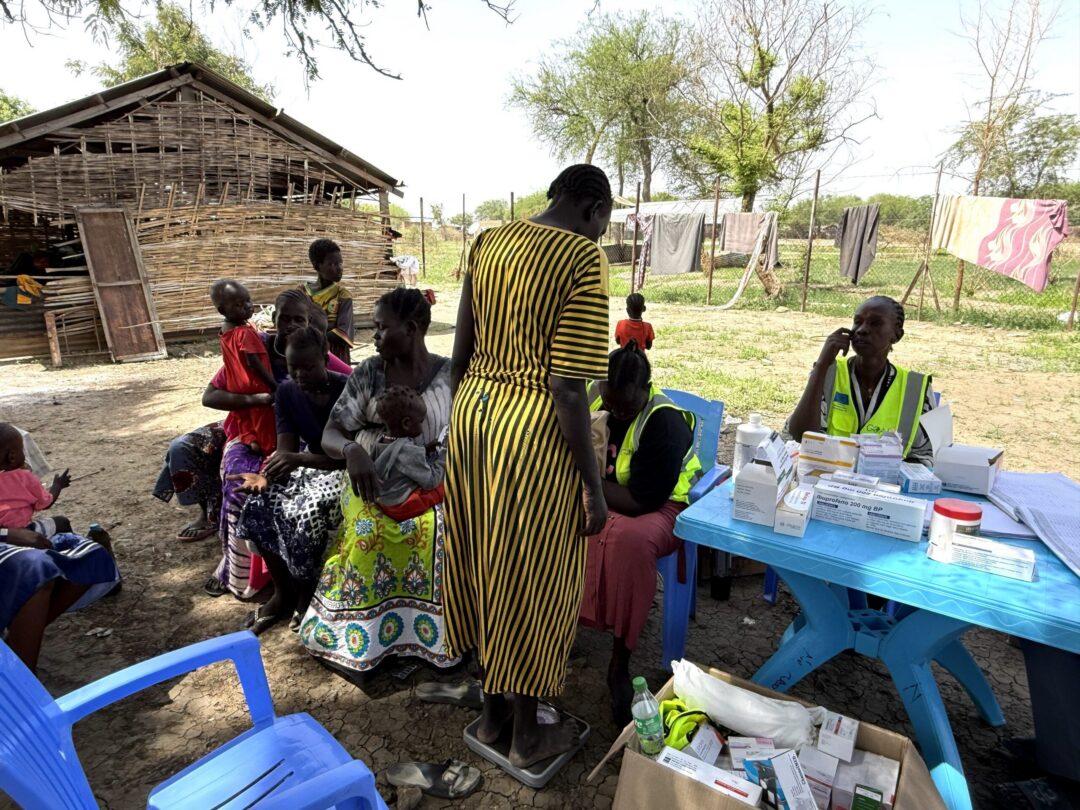
At a mobile clinic in Juljok, Akutet Chan Thon, an internally displaced woman from Abiemnhom, arrived seeking urgent care after falling seriously ill.
“I was feeling very hot, as if my whole body was burning. When I came to the clinic, I received treatment and medicine. After that, I started recovering and now I feel much better,” she said.
Like many others who have been displaced by conflict, Akutet faced significant barriers to healthcare after leaving her home. After being forcibly displaced with her four young children amid escalating regional violence, Akutet and her family arrived in Juljiok. Here, they settled at the internally displaced persons site alongside many other displaced families. Like many families living in displacement, Akutet’s family faced ongoing uncertainty, limited resources, and restricted access to essential services such as healthcare. When Akutet fell ill, seeking treatment became an added strain, placing her wellbeing—and that of her family—at risk.
Through European Union‑supported mobile health services implemented by GOAL, Akutet was able to receive care close to where she was staying. This meant she could remain with her family and avoid the long, costly, and unsafe journey often required to reach the nearest health facility.
Without access to the mobile clinic, Akutet would have had few safe options for treatment. Instead, mobile health teams brought care directly to her community, reducing risks and easing the burden on her family. Her experience reflects the reality for thousands of displaced people across Abyei, where mobile outreach services often provide the only link to essential healthcare.
GOAL and European Union Interventions
With support from European Civil Protection and Humanitarian Aid Operations (ECHO), GOAL implements mobile outreach services that provide medical consultations. Treatment are provided for common illnesses such as malaria and respiratory infections, referrals for severe cases, and access to essential medicines in hard‑to‑reach areas. These services complement strained static facilities and help relieve pressure on overstretched government health systems.
Hon Biong Nyong Deng, Director General at the Abyei Ministry of Health, said such support remains critical for underserved areas.
“Our collaboration with GOAL has continued to strengthen health services across Abyei through training, supervision, emergency response, and direct facility support. ECHO’s support has eased pressure on already limited government resources, and some facilities remain operational because of this assistance.”
Sustainable Change for Growth
As humanitarian needs continue to rise and access remains constrained, mobile clinics remain essential to reaching those furthest from care. They are particularly vital for displaced families, women and children, who face heightened health risks and barriers to services.
For Akutet, the clinic meant timely treatment and renewed strength. For many others across Abyei, mobile healthcare represents something equally important: dignity, hope and access to lifesaving care, delivered where it is needed most.
families forced from their homes, these mobile clinics offer timely care, dignity and hope when it is needed most.
