

 Stories
May 6, 2026 • 4 min read
After more than a decade of disruption caused by conflict, clean water has returned to 33 villages in rural Idlib Governorate following the rehabilitation of the Al‑Laj water stations. Through a European Union- funded project, GOAL restored vital water systems through sustainable, solar-powered systems. Today, the rehabilitated network provides safe, reliable water to approximately 200,000 people, restoring dignity and stability to communities across Jabal Al‑Zawiya.
The Cost of Conflict
The Al-Laj water stations in Idlib Governorate, Syria, were established in 1967. These stations have served communities across Jabal Al-Zawiya with access to safe and reliable drinking water. They remained in operation until 2012, when they sustained severe damage amid intense bombardment during the Syrian conflict. This including destruction of infrastructure, looting of equipment and electrical cables, and extensive structural deterioration leaving all five stations non-operational and abandoned.
The collapse of these vital water systems created a critical humanitarian gap for thousands of people, resulting in a widespread humanitarian gap, without reliable access to water. Families living in the area, and those returning after displacement, relied on unsafe sources or expensive private water trucking.
GOAL’s Response
In response, GOAL launched a comprehensive rehabilitation project to restore the damaged stations, funded by the European Union and co‑funded by the Swiss Agency for Development and Cooperation (SDC) through the SANAD II programme. The intervention included civil, electrical, and mechanical upgrades, alongside the installation of solar powered energy grids, aimed at returning the system to full functionality and ensuring long-term resilience.
According to GOAL WASH Mechanical Engineer Ali Al-Jasem, an effective chlorination system was introduced to ensure water safety and prevent contamination, alongside coordination between GOAL and the General Water Directorate in Idlib Governorate to train local staff and support long-term sustainability. These measures help maintain continuous service and ensure safer water access for communities relying on the system.
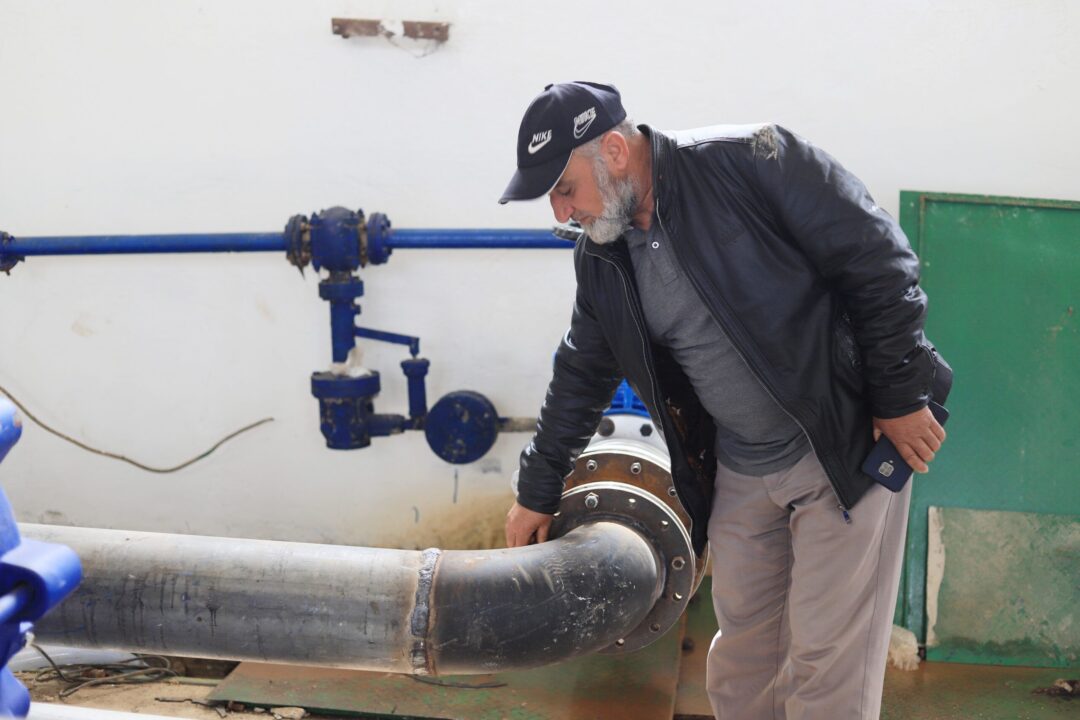
Hussein Qantar, supervisor of the Al-Laj water stations, during rehabilitation works at Northern Laj Alauwla station “Al-Laj First Station”, Idlib Governorate, Syria.
Voices from Idlib
Hussein Qantar, a supervisor of the Al-Laj stations, described the difficult conditions faced by returning families after years of displacement. Many households were forced to rely on costly and unsafe water trucking services.
“The cost of a water tanker with a capacity of 30 barrels ranges between $15 and $20, which places a heavy burden on families living under difficult conditions,” he said.
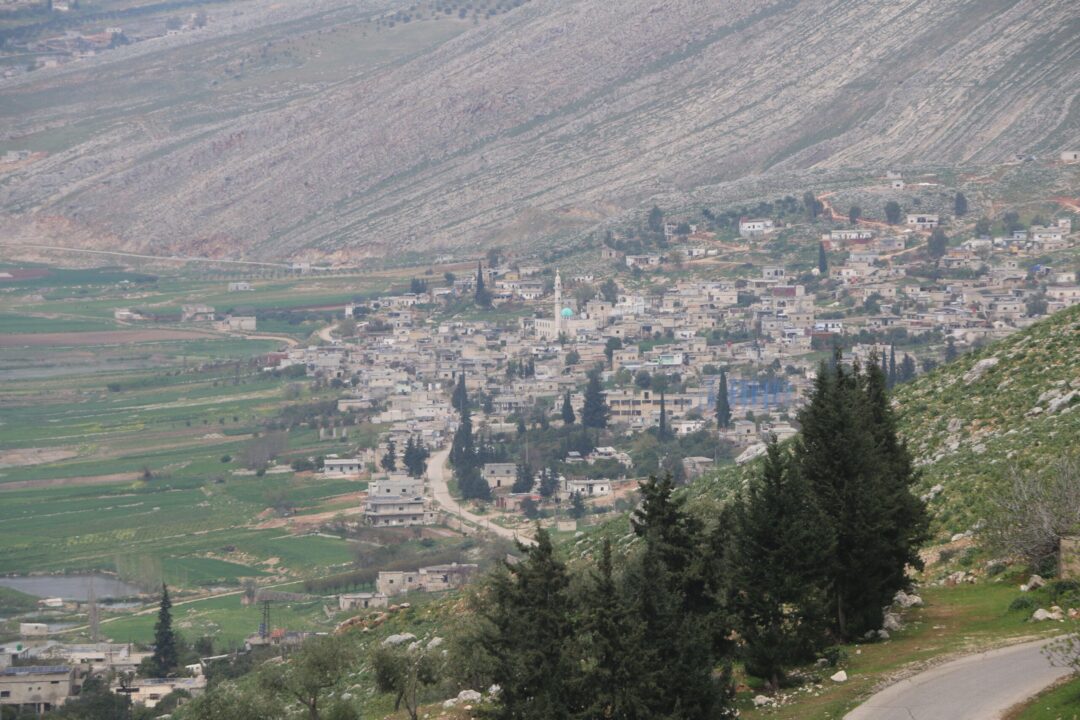
Al-Laj village, one of 33 villages served by the rehabilitated water stations in rural Idlib Governorate.
Sustainable Infrastructure and Safe Water
Today, the rehabilitated Al-Laj water system serves 33 villages in the region, benefiting an estimated 200,000 people. The restoration has significantly improved access to clean water. Furthermore, it has eased financial pressures on households and supported the gradual return of displaced families. Despite this, broader challenges related to living costs and public services remain.
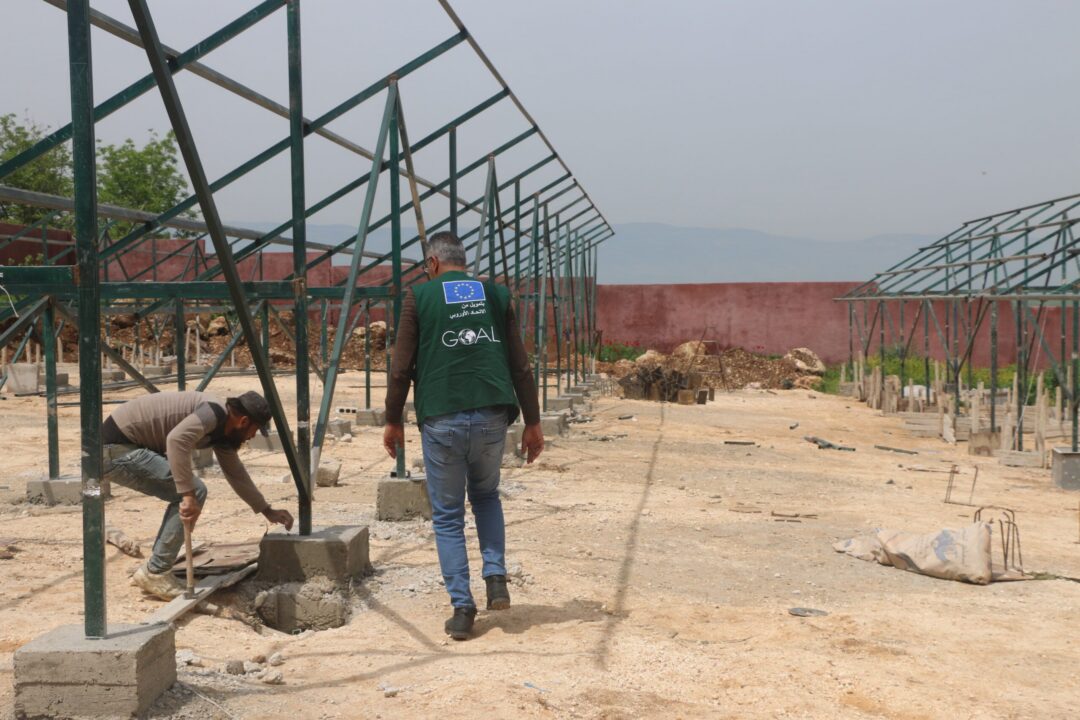
GOAL WASH Mechanical Engineer Ali Al-Jasem during the installation of the solar system structure at Northern Laj Alauwla station “Al-Laj First Station”, where rehabilitation efforts are enhancing sustainable and reliable water services.
A key component of the project was the installation of a solar energy system comprising 720 solar panels. Each solar panel has a capacity of 620 watts. Designed to reduce operational costs and improve sustainability. In addition, a modern chlorination system was introduced to ensure water safety and quality for all beneficiaries.
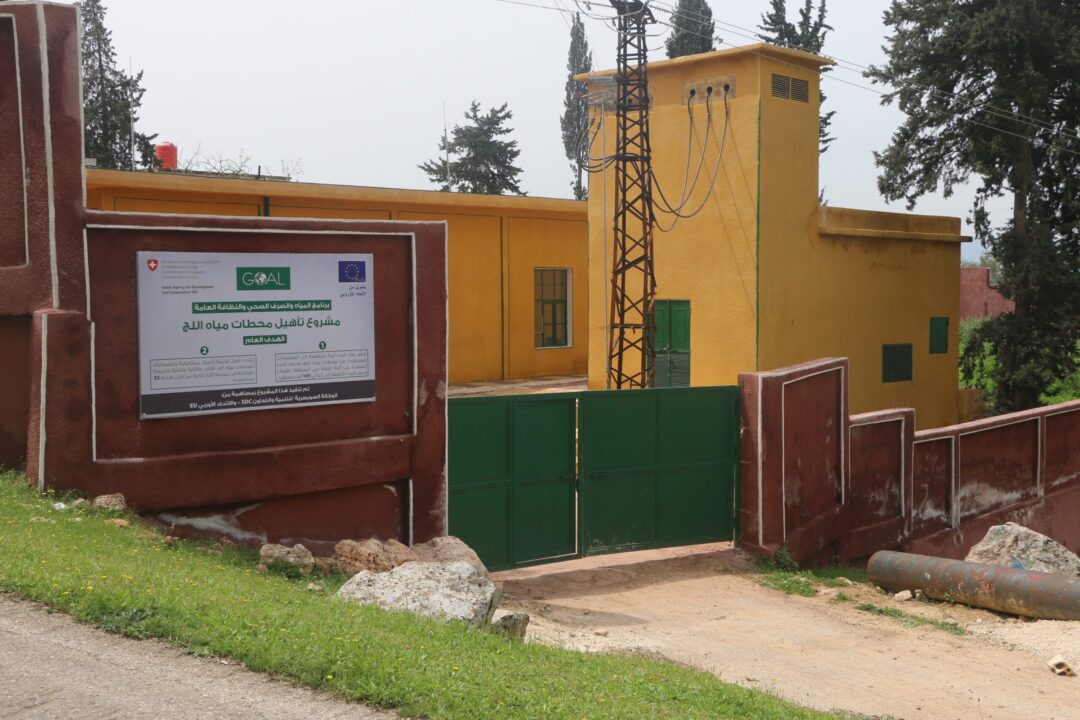
Northern Laj Alauwla station “Al-Laj First Station”, Idlib Governorate, following rehabilitation works aimed at restoring safe and reliable water services to surrounding communities.
The project also included ongoing coordination with local authorities to train staff and strengthen long-term operational capacity. This helped build the skills needed to keep the system running long after GOAL interventions. Despite logistical challenges, implementation progressed steadily. The work has now reached an advanced stage of completion.
“Today, the restoration of the Al-Laj water stations represents more than a service project; it is a vital step towards restoring life, stability, and dignity for the people of Jabal Al-Zawiya,” said GOAL WASH Engineer Ali Al-Jasem.
About EU Civil Protection and Humanitarian Aid
The European Union and its Member States are the world’s leading donor of humanitarian aid. Relief assistance is an expression of European solidarity with people in need all around the world. It aims to save lives, prevent and alleviate human suffering, and safeguard the integrity and human dignity of populations affected by natural disasters and man-made crises.
Through its Civil Protection and Humanitarian Aid Operations department, the European Union helps millions of victims of conflict and disasters every year. With headquarters in Brussels and a global network of field offices, the European Union provides assistance to the most vulnerable people on the basis of humanitarian needs.